
logo
logo
C-Peptide ELISA Kit, Human, BioAssay(TM) (Hyperproinsulinemia, Insulin Precursor, Proinsulin)

Cat no: C7905-06

C-Peptide ELISA Kit, Human, BioAssay(TM) (Hyperproinsulinemia, Insulin Precursor, Proinsulin)

C-Peptide is part of the molecule of Proinsulin, that consists of three parts: C-Peptide and two long strands of amino acids (called the alpha and beta chains) that later become linked together to form the insulin molecule. From every molecule of proinsulin, one molecule of insulin plus one molecule of C-Peptide are produced. C-Peptide is released into the blood stream in equal amounts to insulin. A test of C-Peptide levels will show how much insulin the body is making. Insulin decreases blood glucose concentration. It increases cell permeability to monosaccharides, amino acids and fatty acids. It accelerates glycolysis, the pentose phosphate cycle, and glycogen synthesis in liver. Although C-Peptide function is not fully understood, it binds to cell membranes which leads to increased intracellular Ca2++, K+ -ATPase and endothelial nitric oxide synthase activities. C-Peptide also functions in repair of the muscular layer of arteries.\n\nC-peptide assay measures C-peptide in human serum or other biological fluids.\n\nDescription:\nHuman insulin and C-Peptide originate as a single polypeptide chain known as proinsulin(MW 9000) in the pancreatic cell. Proinsulin is cleaved proteolytically to form equimolar amounts of mature insulin and C-Peptide that are released into the portal vein. So called because it connects the A and B chains of insulin in the proinsulin molecule. C-Peptide is a single chain of 31 amino acid (MW 30,200). Unlike insulin has no known physiological function. Because C-Peptide has a longer half-life than insulin (2-5 times longer), high concentrations of C-Peptide persist in the peripheral circulation and these level fluctuate less insulin. For these reasons, in plasma C-Peptide concentrations may reflect pancreatic insulin secretion more reliable than the level of insulin itself1. C-Peptide is cleaved from the body by the kidney. Urine concentrations of C-Peptide are 20-50 times higher than in plasma, unlike plasma insulin levels, which fluctuate in response to meals, measurement of the 24 hour urinary excretion of C-Peptide provides a useful monitor of average cell insulin secretion 2. C-Peptide measurements are useful in insulinoma diagnosis, especially in patients treated with insulin. Elevated C-Peptide levels are indicative of insulinoma. C-Peptide measurements are useful in the need for progression to insulin therapy in non-insulin dependent diabetics (NIDDM). C-Peptide measurements are useful as a marker for residual pancreatic tissue after pancreatectomy. It may also be used to monitor the progress of pancreas or islet cell transplantation. C-Peptide measurements are useful in the diagnosis of hypoglycemia brought on by surreptitious insulin administration.\n\nExpected Values:\nIt is recommended that each laboratory must determine its own normal and abnormal ranges. \n\nReference Range:\nA healthy normal population of 100 samples were assayed (0.2-13.2ng/ml).\nFasting: 1-3ng/ml\n\nSpecificity:\nHigh concentrations of lipid or bilirubin do NOT interfere in the insulin assay. Purified hemoglobin up to 50ug/ml has been shown not to interfere the test. No interference for rheumatoid factor or human anti-mouse antibodies (HAMA) was observed. Additional crossreactivity was determined as follows:\n\nHuman pro-insulin (32- 33 split): 63%\nHuman pro-insulin (64-65 split): 87%\nHuman insulin: 0%\nHuman C-Peptide of Insulin: 100%\n\nFasting concentrations of intact and split pro-insulin are typically only 1-2% of C-Peptide concentrations. Crossreactivity with these molecules is not clinically significant.\n\nSpecies Crossreactivity:\nThis kit has been designed and tested for human serum samples. It may be optimized for other biological fluids. It has not been tested in animals (rat, mouse, etc). Applicability for animal samples will depend upon the crossreactivity of the human antibodies used in the kit with a given animal's hormones/proteins. C-peptide assay measures C-peptide in human serum or other biological fluids.\n\nKit Components:\nC7905-06A: Microtiter Plate 1x96wells\nC7905-06B: Assay Buffer 1x16ml\n*C7905-06C: Standard 0ng/ml 1x2ml \n*C7905-06D: Standard 0.3ng/ml\n1x600ul\n*C7905-06E: Standard 0.5ng/ml\n1x600ul\n*C7905-06F: Standard 2ng/ml\n1x600ul\n*C7905-06G: Standard 8ng/ml\n1x600ul\n*C7905-06H: Standard 16ng/ml\n1x600ul\n*C7905-06J: Control, Low 0.885-1.476ng/ml 1x600ul\n*C7905-06K: Control, High 5.85-9.75ng/ml 1x600ul\nC7905-06L: Stop Solution, 1N H2SO4 1x6ml\nC7905-06M: Wash Solution, 10X 1x50ml\nC7905-06N: TMB Substrate Complete 1x16ml\nC7905-06P: C-Peptide (HRP), 100X 1x300ul\n\nNOTE: Standards and controls are not stable at 4 degrees C. Aliquot and store at -20 degrees C.\n\nStorage and Stability:\nStore all components except standards and controls at 4 degrees C. Aliquot and store standards C7905-06C - C7905-06H and controls C7905-06J and C7905-06K at -20 degrees C. Stable for a 6 months. For maximum recovery of product, centrifuge the original vial after thawing and prior to removing the cap.

Prices direct from United States Biological

Quick response times

Exclusive Biosave savings/discounts

SPECIFICATIONS

Catalog Number

C7905-06

Size

96Tests

Applications

ELISA

Reactivities

Hum

References

1. Ashby JP et al (1981) Annals of Clin. Biochem. 18, 125; 2. Yue DK et al (1978) metabolism 27, 1, 1978; 3. Krause UB et al (1981) J Immunol. 2, 33

Read more on Supplier website

Applications

ELISA

Reactivities

Hum

More info

Applications

IF

Hosts

Mouse

More info

Applications

ELISA, WB

Hosts

Mouse

Reactivities

Hum

More info

Applications

ELISA, FC, WB

Hosts

Mouse

Reactivities

Hum

More info

Applications

ELISA, FC, IHC, WB

Hosts

Mouse

More info
Advertisehere
BMA Biomedicals Horizontal banner
BMA Biomedicals

Latest promotion FROM:

BMA Biomedicals
View promotion

Latest promotions

Spend less time on DNA cleanup so you can do more science. The MSB Spin PCRapace is the fastest way to purify your DNA from PCR, restriction digestion, and...
New brilliant antibodies, and new lower prices!For flow cytometry reagents in general, \"bright is better.\" The violet-excitable BD Horizon™ BV421 and...
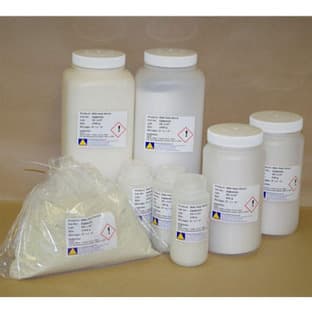
As an incentive to qualify our BSA, we are offering a 20% discount when you purchase your first 100g, 500g or 1000g of any grade of Bovine Serum Albumin....
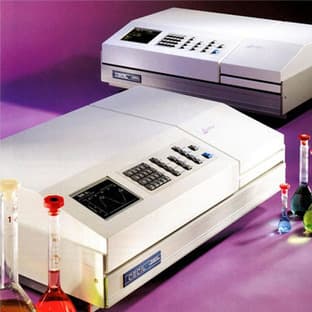
It is not every day that you are given something for nothing. We are giving away additional spectrophotometer software.Cecil Instruments have enhanced the...
Did your supplier increase the price of Fetal Bovine Serum? Did they substitute the US Origin with USDA? Well say no more! Innovative Research is still...

For the past decade scientists have extensively used ATS secondary toxin conjugates to make their own targeted toxins for in vitro use.The ability to combine...

We're so sure that you'll prefer Cayman Assay kits over your present brand that we're willing to give you a free assay kit to prove it!

10% Discount on 2 Rabbit Polyclonal Antibody Service. With over 20 years experience, SDIX has developed into the premier US custom antibody producer,...
Bulk Cytokines with Custom Vialing.20 - 50% off cytokines, growth factors, chemokines and more...For a limited time Cell Sciences is offering substantial...

Are you planning to have a customised antibody made for your research?Since 2000, Everest has been producing a catalog containing thousands of affinity...
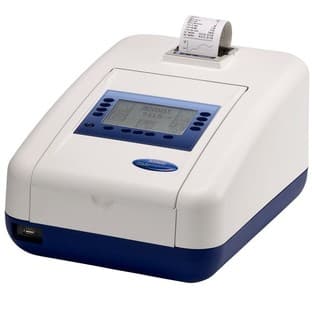
Jenway’s 73 series spectrophotometer range provides four models with a narrow spectral bandwidth of 5nm and an absorbance range of –0.3 to 2.5A,...