
logo
logo
CCL18, Human, ELISA, BioAssay(TM) Kit

Cat no: M1202-71N

CCL18, Human, ELISA, BioAssay(TM) Kit

Human CCL18 (Chemokine CC Motif Ligand 18), also known as PARC (Pulmonary and Activation-Regulated Chemokine), alternative macrophage activation-associated CC chemokine 1 (AMAC-1), macrophage inflammatory protein-4 (MIP-4), and dendritic cell-derived chemokine 1 (DCCK1), belongs to the Cys-Cys (CC) motif-containing chemokine family. It is an 89aa precursor protein with a 20aa putative signal peptide that is cleaved to generate a 69aa residue mature protein. CCL18 is highly expressed in lung, lymph nodes and placenta. It was initially identified as a chemotactic factor for naive CD4+ T cells and immature dendritic cells, suggesting that it plays an important role in immune responses. It displays strong chemotactic activity for naive CD4+ and CD8+ T cells and nonactivated lymphocytes. It attracts naive T lymphocytes toward dendritic cells and activated macrophages in lymph nodes. CCL18 is mainly induced by Th2 type cytokines, such as IL-4 and IL-13, and inhibited by IFN-g. CCL18 can also facilitate the generation of tolerogenic dendritic cells and adaptive regulatory T cells. Besides its chemotactic effects, CCL18 enhances the proliferation of monocytes and increases cytokine production. Additionally, CCL18 is involved in stimulation of collagen production by fibroblasts. Thus, it may directly contribute to the development of pulmonary fibrosis by stimulating collagen production. CCL18 is an orphan chemokine without any known receptor. Its rodent homolog has not been identified so far. High levels of CCL18 have been detected in various body fluids, such as serum and synovial fluid. CCL18 is dysregulated in a number of pathological conditions. Increased CCL18 in bronchoalveolar lavages and sera has been found to be linked to allergic asthma. CCL18 is able to mediate skin homing of human memory T cells. It was present in skin biopsies of atopic dermatitis patients but not in normal skin. It has been reported that CCL18 serum levels correlate with the disease severity of atopic dermatitis. Elevated CCL18 levels were detected in synovial fluid from rheumatoid arthritis patients, suggesting that it may be involved in the autoimmune and inflammatory process. Additionally, elevated serum CCL18 reflects lung fibrosis activity in systemic sclerosis and could be an early marker of lung function worsening. In patients with chronic obstructive pulmonary diseases, serum CCL18 levels are also elevated and may be useful to track clinical outcomes. Furthermore, recent investigations indicate that CCL18 is a potential valuable diagnostic and prognostic biomarker in coronary artery disease. The CCL18, Human, ELISA, BioAssay(TM) Kit is a 4.5h solid-phase ELISA designed to measure human CCL18 in cell culture supernates, serum, and plasma. It contains E. coli-expressed recombinant human CCL18 and has been shown to accurately quantitate the recombinant factor. Results obtained using natural human CCL18 showed linear curves that were parallel to the standard curves obtained using the Quantikine kit standards. These results indicate that this kit can be used to determine relative mass values for naturally occurring human CCL18.\n\nSample Type:\nCell culture supernates, serum, and plasma\n\nIntended Use:\nFor the quantitative determination of human CCL18 concentrations in cell culture supernates, serum, and plasma.\n\nSensitivity:\n~0.358ng/ml\n\nRange:\n0.130-0.909ng/ml\n\nSpecificity:\nHuman\n\nTest Principle:\nThis assay employs the quantitative sandwich enzyme immunoassay technique. A monoclonal antibody specific for CCL18 has been pre-coated onto a microplate. Standards and samples are pipetted into the wells and any CCL18 present is bound by the immobilized antibody. After washing away any unbound substances, an enzyme-linked monoclonal antibody specific for CCL18 is added to the wells. Following a wash to remove any unbound antibody-enzyme reagent, a substrate solution is added to the wells and color develops in proportion to the amount of CCL18 bound in the initial step. The color development is stopped and the intensity of the color is measured. \n\nKit Components:\nCCL18 Microplate: 96 well polystyrene microplate (12 strips x 8 wells) coated with a mouse monoclonal antibody against CCL18..\nCCL18 Conjugate: 1x21ml of monoclonal antibody against CCL18 conjugated to horseradish peroxidase with preservatives\nCCL18 Standard: 100ng of recombinant human CCL18 in a buffered protein base with preservatives; lyophilized\nAssay Diluent RD1W: 1x11ml of a buffer with preservatives.\nCalibrator Diluent RD5-55: 2x21ml of a buffered protein base with preservatives.\nWash Buffer Concentrate: 1x21ml of a 25-fold concentrated solution of buffered surfactant with preservatives\nColor Reagent A: 1x12ml of stabilized hydrogen peroxide\nColor Reagent B: 1x12ml of stabilized chromogen (tetramethylbenzidine)\nStop Solution: 1x6ml of 2 N sulfuric acid.\nPlate Sealers: 4 adhesive strips\n\nStorage and Stability:\nSee Kit Protocol for detailed storage instructions.

Prices direct from United States Biological

Quick response times

Exclusive Biosave savings/discounts

SPECIFICATIONS

Catalog Number

M1202-71N

Size

1Kit

References

1. Hieshima, K. et al. (1997) J. Immunol. 159:1140. 2. Kodelja, V. et al. (1998) J. Immunol. 160:1411. 3. Adema, G.J. et al. (1997) Nature 387:713. 4. Vulcano, M. et al. (2003) J. Immunol. 170:3843. 5. Azzaoui, I. et al. (2011) Blood 118:3549. 6. Chang, Y. et al. (2010) FASEB J. 24:5063. 7. Wimmer, A. et al. (2006) Blood 108:3722. 8. Atamas, S.P. et al. (2003) Am. J. Respir. Cell Mol. Biol. 29:743. 9. Luzina, I.G. et al. (2006) J. Cell Physiol. 206:221. 10. Tasaki, Y. et al. (1999) Genomics 55:353. 11. van der Voort, R. et al. (2005) J. Leukoc. Biol. 77:739. 12. De Nadai, P. et al. (2006) J. Immunol. 176:6286. 13. Gunther, C. et al. (2005) J. Immunol. 174:1723. 14. Oflazoglu, E. et al. (2008) Eur. J. Dermatol. 18:41. 15. Schutyser, E. et al. (2001) Eur. J. Immunol. 31:3755. 16. Tiev, K.P. et al. (2011) Eur. Respir. J. 38:1355. 17. Sin, D.D. et al. (2011) Am. J Respir. Crit. Care Med. 183:1187. 18. De Sutter, J. et al. (2010) J. Mol. Cell Cardiol. 49:894. 19. Kraaijeveld, A.O. et al. (2007) Circulation 116:1931.

Read more on Supplier website

Applications

ELISA

Reactivities

Hum

More info

Applications

IF

Hosts

Mouse

More info

Applications

ELISA, WB

Hosts

Mouse

Reactivities

Hum

More info

Applications

ELISA, FC, WB

Hosts

Mouse

Reactivities

Hum

More info

Applications

ELISA, FC, IHC, WB

Hosts

Mouse

More info
Advertisehere
BMA Biomedicals Horizontal banner
BMA Biomedicals

Latest promotion FROM:

BMA Biomedicals
View promotion

Latest promotions

Spend less time on DNA cleanup so you can do more science. The MSB Spin PCRapace is the fastest way to purify your DNA from PCR, restriction digestion, and...
New brilliant antibodies, and new lower prices!For flow cytometry reagents in general, \"bright is better.\" The violet-excitable BD Horizon™ BV421 and...
As an incentive to qualify our BSA, we are offering a 20% discount when you purchase your first 100g, 500g or 1000g of any grade of Bovine Serum Albumin....
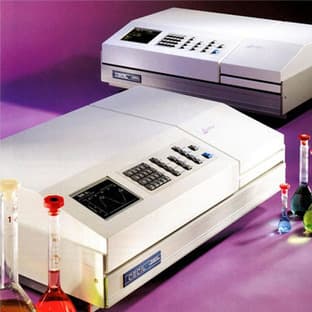
It is not every day that you are given something for nothing. We are giving away additional spectrophotometer software.Cecil Instruments have enhanced the...
Did your supplier increase the price of Fetal Bovine Serum? Did they substitute the US Origin with USDA? Well say no more! Innovative Research is still...

For the past decade scientists have extensively used ATS secondary toxin conjugates to make their own targeted toxins for in vitro use.The ability to combine...

We're so sure that you'll prefer Cayman Assay kits over your present brand that we're willing to give you a free assay kit to prove it!

10% Discount on 2 Rabbit Polyclonal Antibody Service. With over 20 years experience, SDIX has developed into the premier US custom antibody producer,...
Bulk Cytokines with Custom Vialing.20 - 50% off cytokines, growth factors, chemokines and more...For a limited time Cell Sciences is offering substantial...

Are you planning to have a customised antibody made for your research?Since 2000, Everest has been producing a catalog containing thousands of affinity...
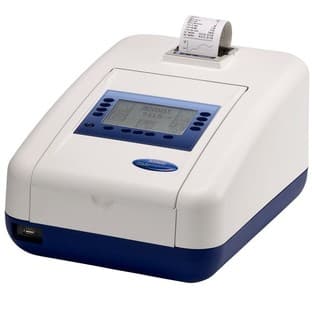
Jenway’s 73 series spectrophotometer range provides four models with a narrow spectral bandwidth of 5nm and an absorbance range of –0.3 to 2.5A,...