
logo
logo
Class III HDAC, BioAssay(TM)

Cat no: 029446

Class III HDAC, BioAssay(TM)

Posttranslational acetylation of lysines occurs in a wide variety of proteins, and consequently regulates a diverse array of intermolecular interactions and biological processes. Proteomic analysis of lysine acetylation in mammalian cells has revealed >3600 acetylated lysine sites occurring on >1700 proteins. This diverse array of proteins function in many major cellular processes, including gene regulation, cytoskeletal organization, protein trafficking, and cell signaling. On histone proteins, the universe of lysine acetylation is controlled by the opposing enzymatic activities of histone acetyltransferases (HAT) and histone deacetylases (HDAC). Given the diversity of lysine acetylated proteins and processes in which they occur, modulators of HATs and HDACs are major targets for drug discovery efforts in a number of disease processes, including metabolism, cancer and cardiovascular disease.\n\nFour different classes of histone deacetylases have been described. The first two classes are HDACs which are inhibited by trichostatin A (TSA). The third group (Class III HDAC's) is NAD+-dependent proteins not inhibited by TSA. The fourth classes of HDACs are atypical and are considered HDAC's due to DNA sequence similarity to the other classes of HDAC's.\n\nClass III HDAC's, also known as sirtuins, are mechanistically distinct from class I and class II HDACs in that they couple deacetylation of the peptide/protein substrate to cleavage of NAD+ to form nicotinamide and O-acetyl-ADP-ribose. The first member of the sirtuin family to be assigned a physiological role was the yeast Sir2, which was shown to increase mother cell life span when over expressed. The mammalian sirtuins comprise 7 members, termed Sirt1-7, which share the NAD+-binding catalytic domain, but differ in N- and C-termini, subcellular localization, substrate preference, and ultimately in biological function. For example, Sirt1 resides primarily in the nucleus, where it deacetylates several transcriptional regulators, including PGC-1a to promote mitochondrial biogenesis and gluconeogenesis, and p53 to reduce apoptosis. Sirtuins 3-5 are located in mitochondria, and Sirt3 has been shown to deacetylate several metabolic enzymes to divert alternative carbon sources to the TCA cycle.\n\nMultiple lines of evidence have suggested that the activation of sirtuins in vivo could represent therapeutic target for the maintenance of metabolic homeostasis. Subsequent studies searching for activators of sirtuin activity indicated the plant polyphenol resveratrol as a potential activator of Sirt1. However, these studies were called into question as a result of data demonstrating that resveratrol-mediated activation of sirtuins was actually due to an artifact of the fluorescently labeled peptide substrate used in the commercially available assay used for these studies.\n\nThe SIRTainty approach eliminates artifacts due to resveratrol and potential interference of enzyme substrate interactions due to the presence of bulky fluorophores. Unlike other sirtuin assays that utilize a fluorescently tagged acetylated peptide substrate, the SIRTainty assay employs an untagged acetylated peptide substrate. This approach not only enables unparalleled flexibility in your choice of sirtuin isoform and peptide substrate, but also helps avoid potential artifacts attributed to the use of a fluorescently labeled substrate.\n\nIntended Use:\nFor measuring sirtuin activity as well as for screening of activators and inhibitors of sirtuin enzymes.\n\nSpecificity:\nClass III HDAC\n\nTest Principle:\nTo perform this assay, a sirtuin enzyme, beta-NAD, acetylated peptide substrate, test compound, and nicotinamidase enzyme are combined and incubated for 30 minutes. During this time the acetylated peptide substrate is acted upon by the sirtuin enzyme to produce nicotinamide. In a secondary reaction, the nicotinamidase enzyme converts the nicotinamide into nicotinic acid and NH3+ (free ammonia). To generate a signal for readout, a proprietary developer reagent is added and the signal is read using a fluorescent plate reader.\n\nKit Components:\nBlack plate: 1x96 wells\nAssay Buffer: 1x10ml\nPlate Covers: 2 plate covers\nAcetylated Peptide Substrate: 1x75ul (1mM)\nbeta NAD: 1x30ul (50mM)\nNicotinamide (NAM): 1x10ul (10mM)\nRecombinant Sirt1 Enzyme: 1x120 units\nRecombinant Nicotinamidase Enzyme with 50% glycerol: 1x60ug (1mg/ml)\nSuramin (Sirt Inhibitor) in ddH2O: 1x150ul (25mM)\nDeveloper Reagent: 1x4ml (10mM)\n\nStorage and Stability:\nStore *xxx powder at 4 degrees C liquid at -20 degrees C. Store other components at 4 degrees C. Stable for at least 6 months For maximum recovery of product, centrifuge the original vial after thawing and prior to removing the cap.

Prices direct from United States Biological

Quick response times

Exclusive Biosave savings/discounts

SPECIFICATIONS

Catalog Number

029446

Size

10Tests

References

1. Michan, S. & Sinclair, D. (2007). Biochem. J. 404,1-13. 2. Sauve, A. A., et al., (2006). Annu. Rev. Biochem. 75, 435-465. 3. De Ruijter, A.J.M., et al., (2003) Biochem. J. 370: 737-749. 4. North, B.J., et al., (2003) Mol. Cell 11: 437-444. 5. Zhang, Y., et al., (2003) EMBO J. 22: 1168-1179. 6. Nephew, K.P. and Huang, T.H. (2003) Cancer Lett. 190: 125-133. 7. Carrozza, M.J., et al., (2003) Trends Genet. 19: 321-329 8. Roth, S.Y., et al., (2001) Ann. Rev. Biochem. 70: 81-120. 9. Urnov, F.D., et al., (2001) Curr. Top. Microbiol. Immunol. 254: 1-33. 10. Annunziato, A.T. and Hansen, J.C., (2000) Gene Expr. 9: 37-61. 11. Jacobson, R.H., et al., (2000) Science 288: 1422-1425. 12. Taunton, J., et al., Science 272: 408-411, 1996. 13. Imai, S., Armstrong, C. M., Kaeberlein, M.&Guarente, L. (2000). Nature, 403, 795-800. 14. Lee, D.Y., et al., (1993) Cell 72: 73-84. 15. Allfrey, V.G. et al., (1964) Proc. Natl. Acad. Sci. USA 51: 786-794.

Read more on Supplier website
Advertisehere
MtoZ Horizontal banner
MtoZ Biolabs

Latest promotion FROM:

MtoZ Biolabs
View promotion

Latest promotions

Spend less time on DNA cleanup so you can do more science. The MSB Spin PCRapace is the fastest way to purify your DNA from PCR, restriction digestion, and...
New brilliant antibodies, and new lower prices!For flow cytometry reagents in general, \"bright is better.\" The violet-excitable BD Horizon™ BV421 and...
As an incentive to qualify our BSA, we are offering a 20% discount when you purchase your first 100g, 500g or 1000g of any grade of Bovine Serum Albumin....
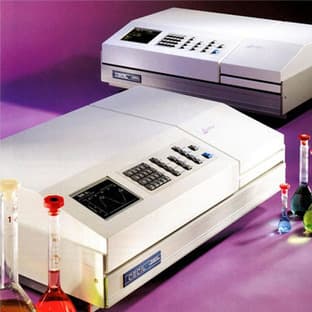
It is not every day that you are given something for nothing. We are giving away additional spectrophotometer software.Cecil Instruments have enhanced the...
We're so sure that you'll prefer Cayman Assay kits over your present brand that we're willing to give you a free assay kit to prove it!

10% Discount on 2 Rabbit Polyclonal Antibody Service. With over 20 years experience, SDIX has developed into the premier US custom antibody producer,...

For the past decade scientists have extensively used ATS secondary toxin conjugates to make their own targeted toxins for in vitro use.The ability to combine...

Did your supplier increase the price of Fetal Bovine Serum? Did they substitute the US Origin with USDA? Well say no more! Innovative Research is still...

Bulk Cytokines with Custom Vialing.20 - 50% off cytokines, growth factors, chemokines and more...For a limited time Cell Sciences is offering substantial...

Jenway’s 73 series spectrophotometer range provides four models with a narrow spectral bandwidth of 5nm and an absorbance range of –0.3 to 2.5A,...

Are you planning to have a customised antibody made for your research?Since 2000, Everest has been producing a catalog containing thousands of affinity...