
logo
logo
Phosphatase, Alkaline, Escherichia coli\n

Cat no: P4071-01A

Phosphatase, Alkaline, Escherichia coli\n

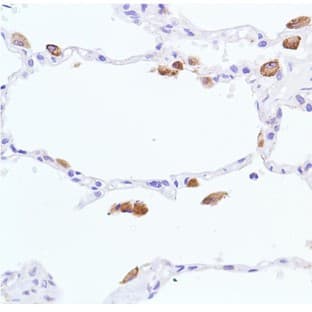
Escherichia coli (E. coli) is a Gram negative bacterium that is commonly found in the lower intestine of warm-blooded organisms (endotherms). Most E. coli strains are harmless, but some, such as serotype O157:H7, can cause serious food poisoning in humans, and are occasionally responsible for costly product recalls.[1][2] The harmless strains are part of the normal flora of the gut, and can benefit their hosts by producing vitamin K2,[3] or by preventing the establishment of pathogenic bacteria within the intestine.[4][5] E. coli are not always confined to the intestine, and their ability to survive for brief periods outside the body makes them an ideal indicator organism to test environmental samples for fecal contamination.[6][7] The bacteria can also be grown easily and its genetics are comparatively simple and easily-manipulated or duplicated through a process of metagenics, making it one of the best-studied prokaryotic model organisms, and an important species in biotechnology and microbiology. E. coli was discovered by German pediatrician and bacteriologist Theodor Escherich in 1885,[6] and is now classified as part of the Enterobacteriaceae family of gamma-proteobacteria.[8]\n\nA strain of E. coli is a sub-group within the species that has unique characteristics that distinguish it from other E. coli strains. These differences are often detectable only on the molecular level; however, they may result in changes to the physiology or lifecycle of the bacterium. For example, a strain may gain pathogenic capacity, the ability to use a unique carbon source, the ability to inhabit a particular ecological niche or the ability to resist antimicrobial agents. Different strains of E. coli are often host-specific, making it possible to determine the source of fecal contamination in environmental samples.[6][7] For example, knowing which E. coli strains are present in a water sample allows to make assumptions about whether the contamination originated from a human, another mammal or a bird.\n\nEscherichia coli cells propel themselves with flagella (long, thin structures) arranged as bundles that rotate counter-clockwise, generating torque to rotate the bacterium clockwise. E. coli is Gram-negative, facultative anaerobic and non-sporulating. Cells are typically rod-shaped and are about 2 micrometres (um) long and 0.5 um in diameter, with a cell volume of 0.6-0.7cm3.[9] It can live on a wide variety of substrates. E. coli uses mixed-acid fermentation in anaerobic conditions, producing lactate, succinate, ethanol, acetate and carbon dioxide. Since many pathways in mixed-acid fermentation produce hydrogen gas, these pathways require the levels of hydrogen to be low, as is the case when E. coli lives together with hydrogen-consuming organisms such as methanogens or sulfate-reducing bacteria.[10] Optimal growth of E. coli occurs at 37 degrees C but some laboratory strains can multiply at temperatures of up to 49 degrees C.[11] Growth can be driven by aerobic or anaerobic respiration, using a large variety of redox pairs, including the oxidation of pyruvic acid, formic acid, hydrogen and amino acids, and the reduction of substrates such as oxygen, nitrate, dimethyl sulfoxide and trimethylamine N-oxide.[12] Strains that possess flagella can swim and are motile. The flagella have a peritrichous arrangement.[13] E. coli and related bacteria possess the ability to transfer DNA via bacterial conjugation, transduction or transformation, which allows genetic material to spread horizontally through an existing population. This process led to the spread of the gene encoding shiga toxin from Shigella to E. coli O157:H7, carried by a bacteriophage.[14]\n\nApplications: \nSuitable for use in Western Blot, Immunoprecipitation, Immunocytochemistry. Other applications not tested.\n\nRecommended Dilution:\nWestern Blot: 1:5000.\nOptimal dilutions to be determined by the researcher.\n\nAssay: \nPreparation of E. coli TnphoA transformants: E. coli strain CC118 was transformed with plasmid pGEM-3Z containing TnphoA insertional mutations in the p101 gene of Mycoplasma hyorhinis, which encodes a protein with a typical N-terminal prokaryotic single peptide (5).\n\nIdentification of fusion protein: Transformants are grown in 2XYT medium to OD600=0.6. Cells were centrifuged 3 minutes at 10,000 x g, suspended in SDS-PAGE sample buffer, heated at 100 degrees C for 5 minutes, frozen and thawed and centrifuged as above at RT to remove insoluble material. The sample is applied at 9% to a SDS-PAGE gel, and Western immunoblot is performed as described (5).\n\nStorage and Stability:\nMay be stored at 4 degrees C for short-term only. For long-term storage and to avoid repeated freezing and thawing, add sterile glycerol (40-50%), aliquot and store at -20 degrees C. Aliquots are stable for at least 12 months at -20 degrees C. For maximum recovery of product, centrifuge the original vial after thawing and prior to removing the cap. Further dilutions can be made in assay buffer. \n

Prices direct from United States Biological

Quick response times

Exclusive Biosave savings/discounts

SPECIFICATIONS

Catalog Number

P4071-01A

Size

100ul

Applications

ICC, IP, WB

Hosts

Mouse

Form

Supplied as a liquid. No preservative added.

P Type

Mab

Purity

Ascites

Isotype

IgG2a

References

1. PNAS.USA (1985) 82:5107

Additional Info

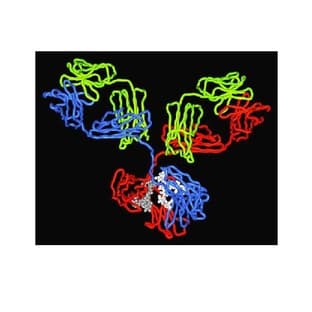
Recognizes E. coli Alkaline Phosphatase. This antibody has a high affinity and recognizes an AP determinant resistant to denaturation by SDS-PAGE. It is therefore ideally suited for sensitive and specific detection of AP fusion proteins by Western blot analysis of E. coli transformants expressing fusion products.

Read more on Supplier website
Advertisehere
MtoZ Horizontal banner
MtoZ Biolabs

Latest promotion FROM:

MtoZ Biolabs
View promotion

Latest promotions

Spend less time on DNA cleanup so you can do more science. The MSB Spin PCRapace is the fastest way to purify your DNA from PCR, restriction digestion, and...
New brilliant antibodies, and new lower prices!For flow cytometry reagents in general, \"bright is better.\" The violet-excitable BD Horizon™ BV421 and...
As an incentive to qualify our BSA, we are offering a 20% discount when you purchase your first 100g, 500g or 1000g of any grade of Bovine Serum Albumin....
It is not every day that you are given something for nothing. We are giving away additional spectrophotometer software.Cecil Instruments have enhanced the...

We're so sure that you'll prefer Cayman Assay kits over your present brand that we're willing to give you a free assay kit to prove it!

10% Discount on 2 Rabbit Polyclonal Antibody Service. With over 20 years experience, SDIX has developed into the premier US custom antibody producer,...

For the past decade scientists have extensively used ATS secondary toxin conjugates to make their own targeted toxins for in vitro use.The ability to combine...
Did your supplier increase the price of Fetal Bovine Serum? Did they substitute the US Origin with USDA? Well say no more! Innovative Research is still...
Bulk Cytokines with Custom Vialing.20 - 50% off cytokines, growth factors, chemokines and more...For a limited time Cell Sciences is offering substantial...
Jenway’s 73 series spectrophotometer range provides four models with a narrow spectral bandwidth of 5nm and an absorbance range of –0.3 to 2.5A,...

Are you planning to have a customised antibody made for your research?Since 2000, Everest has been producing a catalog containing thousands of affinity...