


Supplier:
United States BiologicalCat no: S8500-01L
Survivin (Apoptosis Inhibitor 4, Apoptosis Inhibitor-4, API4, Apoptosis Inhibitor Survivin, Baculoviral IAP Repeat-containing 5, BIRC5, BIRC-5, EPR1, EPR-1, IAP4, SVV, TIAP)
Prices direct from United States Biological
Quick response times
Exclusive Biosave savings/discounts
SPECIFICATIONS
Catalog Number
S8500-01L
Size
100ul
Applications
ICC, IF, IHC, IP, WB
Hosts
Rabbit
Reactivities
Hum, Mouse, Rat, Can, Fel
Form
Supplied as a liquid in PBS, pH 7.2.
P Type
Pab
Purity
Purified by immunoaffinity chromatography.
References
1. Fortugno, P., et al. Multiple subcellular topograpghy of survivin. J. of Cell Science. 115(3): 575-585, 2002.\n2. Wheatley, SP, et al. INCENP is required for proper targeting of Survivin to the centromeres and the anaphase spindle during mitosis. Curr. Biology. 11(11): 886-90, 2001.\n3. Chakravarti, A., et al. Quantitatively Determined Survivin Expression Levels Are of Prognostic Value in Human Gliomas. Journal of Clinical Oncology. 20(4): 1063-1068, 2002.\n4. Giodini, A., et al. Regulation of Microtubule Stability and Mitotic Progresion of Survivin. Cancer Research. 62: 2462-2467, 2002.\n5. Yu, J., et al. Increased expression of survivin in gastric cancer patients and in first degree relatives. British Journal of Cancer. 87: 91-97, 2002.\n6. O'Connor, D.S., et al. A p34(cdc2) survival checkpoint in cancer. Cancer Cell. 2: 43-54, 2002.\n7. Qanungo, S., et al. 2-Methoxyestr adiol induces mitochondria dependent apoptotic signaling in pancreatic cancer cells. Oncogene. 21: 4149-4157, 2002.\n8. Oliver, P., et al. Inhibitor of apoptosis protein survivin regulates vascular injury. Nature Medicine. 8: 987-994, 2002. \n9. Zhu, L., et al. Anti-apoptotic protein survivin plays a significant role in tubular morphogenesis of human coronary arteriolar endothelian cells by hypoxic preconditioning. FEBS Letters. 508: 369-374, 2001.\n10. Blanc-Brude, O.P., et al. Inhibitor of apoptosis protein survivin regulates vascular injury. Nature Medicine. 8: 987-994, 2002.\n11. Kennedy, S., et al. Prognostic importance of survivin in breast cancer. British Journal of Cancer. 88:1077-1083, 2003.\n12. Grabowski, P., et al. Prognostic value of nuclear survivin expression in oesophageal squamous cell carcinoma. British Journal of Cancer. 88:115-119,2001.\n13. Miranda, M., et al. Differential activation of apoptosis regulatory pathways during monocytic vs granulocytic differentiation: a requirement for Bcl-XL and XIAP in the prolonged survival of monocytic cells. Leukemia. 17:390-400,2001.\n14. Mahotka, C., et al. Differential subcellular localization of functionally divergent survivin splice variants. Cell Death and Differentiation. 9:1334-1342,2002.\n15. Zeitlin, S., et al. CENP-A is phosphorylated by Aurora B kinase and plays an unexpected role in completion of cytokinesis. The Journal of Cell Biology. 115(7): 1147-1157,2001.\n16. Hauf, S., et al. The small molecule Hesperadin reveals a role for Aurora B in correcting kinetochore-microtubule attachment and in maintaining the spindle assembly checkpoint. The Journal of cell Biology. 161(2): 281-294,2003.\n17. Zhang, C., et al. Induction by Bexarotene in Cutaneous T-Cell Lymphoma Cells: Relevance to Mechanism of Therapeutic Action. Clinical Cancer Research. 8:1234-1240, 2002.\n18. Blanc-Brude, O., et al. Therapeutic Targeting of the Survivin Pathway in Cancer: Initiation of Mitochondrial Apoptosis and Suppression of Tumor-associated Angiogenesis. Clinical Cancer Research. 9:2683-2692, 2003.\n19. Beltrami, E., et al. Acute Ablation of Survivin Uncovers p53-dependent Mitotic Checkpoint Functions and Control of Mitochondrial Apoptosis. Journal of Biological Chemistry. 279(3): 2077-2084,2004.\n20. Fortugno, P., et al. Regulation of survivin function by Hsp90. PNAS. 100(24):13791-13796, 2003.\n21. Kirkiles-Smith, N., et al. IL-11 Protects Human Microvascular Endothelium from Alloinjury In Vivo by Induction of Survivin Expression. The Journal of Immunology. 172:1391-1396, 2004.\n22. Krysan, K: COX-2-dependent stabilization in non-small cell lung cancer. The FASEB Journal express article 10.1096/fj.03-0369fje. Published on line Nov. 3,2003. \n23. Faderl, S. Granulocyte-macrophage colony- stimulating factor (GM-CSF) induces antiapoptotic and proapoptotic signals in acute myeloid leukemia. Blood, 15 July 2003. Vol. 102, Number 2, pp.630-637.\n24. Carvalho, A: Survivin is required for stable checkpoint activation in taxol-treated HeLa cells. Journal of Cell Science 116, 2987-2998, (2003).\n25. Neef, R: Phosphorylation of mitotic kinesin-like protein 2 by polo-like kinase 1 is required for cytokinesis. The Journal of Cell Biology, Vol. 162, Number 5, Sept. 1, 2003 pp.863-875.\n26. Honda, R, Korner, R, Nigg, E: Exploring the Functional Interactions between Aurora B, INCENP and Survivin in Mitosis. Molecular Biology of the Cell: Vol. 14, 3325-3341, August 2003. \n27. Chen, J., et al. Gene Expression and Mitotic Exit Induced by Microtubule-Stabilizing Drugs. Cancer Research. 63: 7891-7899, November 15, 2003.\n28. Chen, Y., et al. Loss of inhibitor of apoptosis proteins as a determinant of polyamine analog-induced apoptosis in human melanoma cells. Oncogene. 22: 4964-4972, 2003.\n29. Lo Muzio, L., et al. Survivin expression in oral squamous cell carcinoma. British Journal of Cancer. 89: 2244-2248, 2003.\n30. A Altura, R., et al. Nuclear expression of Survivin in paediatric ependymomas and choroids plexus tumours correlates with morphologic tumour grade. British Journal of Cancer. 89:1743-1749, 2003.\n31. Ramp, U., et al. Apoptosis induction in renal cell carcinoma by TRAIL and gamma-radiation is impaired by deficient caspase-9 cleavage. British Journal of Cancer. 88: 1800-1807, 2003.\n32. Liu, T., et al. Rapid induction of mitochondrial events and ccaspase-independent apoptosis in Survivin-targeted melanoma cells. Oncogene. 23: 39-48, 2004.\n33. Amin, H., et al. Selective inhibition of STAT3 induces apoptosis and G1 cell cycle arrest in ALK-positive anaplastic large cell lymphoma. Oncogene. \n34. Fornaro, M., et al. Fibronectin Protects Prostate Cancer Cells from Tumor Necrosis Factor-alpha-induced Apoptosis via the AKT/Survivin Pathway. Mechanisms of Signal Transduction. 278: 50402-50411, 2003. \n35. Yasuhiro, K., et al. Survivin expression in ovarian carcinoma: correlation with apoptotic markers and prognosis. 17:264, 2004.\n36. Zha, H., et al. Similarities of prosurvival signals in Bcl-2-positive and Bcl-2-negative follicular lymphomas identified by reverse phase protein microarray. Laboratory Investigation. 84:235-344, 2004. \n37. Chakravarti, A., et al. Survivin enhances radiation resistance in primary human glioblastoma cells via caspase-independent mechanisms. Oncogene. 23:7494-7506, 2004.\n38. Chen, J., et al. Cancer-specific activation of the survivin promoter and its potential use in gene therapy. Cancer Gene Therapy. 11:740-747, 2004.\n39. Krysan, K., et al. Cyclooxygenase 2-Dependent Expression of Survivin Is Critical for Apoptosis Resistance in Non-Small Cell Lung Cancer. Cancer Research. 64:6359-6362, 2004.\n40. Mallikarjuna, G., et al. silibinin Protects against Photocarcinogenesis via Modulation of Cell Cycle Regulators, Mitogen-Activated Protein Kinases, and Akt Signaling. Cancer Research. 64: 6349-6356, 2004.\n41. Asanuma, K., et al. Survivin Enhances Fas Ligand Expression via Up-Regulation of Specificity Protein 1-Mediated Gene Transcription in Colon Cancer Cells. J. Immunol. 172: 3922-3929, 2004.\n42. Martinez, A., et al. Nuclear Survivin Expression in Mantle Cell Lymphoma Is Associate with Cell Proliferation and Survival. Am. J. Pathol. 164: 501-510, 2004.\n43. Schlette, E., et al. Survivin Expression Predicts Poorer Prognosis in Anaplastic Large-Cell Lymphoma. J. Clin. Oncol. 22: 1682-1688, 2004.\n44. Johnson, V., et al. Bub1 required for kinetochore localization of BubR1, Cenp-E, Cenp-F and Mad2, and chromosome congression. J. Cell. Sci. 117: 1577-1589, 2004.\n45. Gassman, R., et al. Borealin: a novel chromosomal passenger required for stability of the bipolar mitotic spindle. J. Cell. Biol. 166: 179-191, 2004.\n46. Rudkowski, J., et al. Roles of iNOS and nNOS in sepsis-induced pulmonary apoptosis. Am. J. Physiol. Lung Cell Mol. Physiol. 286: 793-800, 2004.\n47. Vischioni, B., et al. Nuclear localization of survivin is a positive prognostic factor for survival in advanced non-small-call lung cancer. Ann. Onc. 15: 1654-1660, 2004.\n48. Lubet, R., et al. 4-hydroxybutyl nitrosamine (OH-BBN)-induced urinary bladder cancers in mice: characterization of FHIT, survivin and COX-2 expression and chemopreventive effects of indomethacin. Carcinogenesis. 10.1093/carcin/bgh352, 2004.\n49. Scrittori, L., et al. A Small C-Terminal Sequence of Aurora B Is Responsible for Localization and Function. Mol. Biol. Cell. 16: 292-305, 2005.\n50. Ferrer, A., et al. Activation of mitochondrial apoptotic pathway in mantle cell lymphoma: high sensitivity to mitoxantrone in cases with functional DNA-damage response genes. Cell Oncogene. 23: 8941-8949, 2004.\n51. Geddis, A., et al. Megakaryocytes express functional Aurora-B kinase in endomitosis. Blood. 104: 1017-1024, 2004.\n52. Kirkiles-Smith, N.C., et al. IL-11 protects human microvascular endothelium from alloinjury in vivo by induction of survivin expression. J. Immunology. 172: 1391-1396, 2004.\n53. MacCallum, D., et al. Seliciclib (CYC202, R-Roscovitine) Induces Cell Death in Multiple Myeloma Cells by Inhibition of RNA Polymerase II-Dependent Transcription and Down-regulation of Mcl-1. Cancer Res 2005; 65: (12), 2005.\n54. Asanuma, H., et al. Survivin Expression Is Regulated by Coexpression of Human Epidermal Growth Factor Receptor 2 and Epidermal Growth Factor Receptor via Phosphatidylinositol 3-Kinase/AKT Signaling Pathway in Breast Cancer Cells. Cancer Res 2005; 65: (23), 2005.\n55. Fukuda, S., & Pelus, L.M. Survivin, a cancer target with an emerging role in normal adult tissues. Mol. Cancer Ther. 5:1087-1098, 2006.\n56. Hata, T., et al. Role of p21WAF1/CIP1 in effects of oxaliplatin in colorectal cancer cells. Mol. Cancer Ther. 4:1585-1594, 2005.\n57. Pennati, M., et al. Potentiation of paclitaxel-induced apoptosis by the novel cyclin-dependent kinase inhibitor NU6140: a possible role for survivin down-regulation. Mol. Cancer Ther. 4:1328-1337, 2005.\n58. Kim, E.Y., et al. TNF receptor type 2 (p75) functions as a costimulator for antigen-driven T cell responses in vivo. J. Immunol. 176:1026-1035, 2006.\n59. Mao, J.T., et al. Celecoxib decreases Ki-67 proliferative index in active smokers. Clin. Cancer Res. 12:314-320, 2006.\n60. Kang, B.H., Altieri, D.C., Molecular Basis of Cell and Developmental Biology: Regulation of Survivin Stability by the Aryl Hydrocarbon Receptorinteracting Protein. J. Biol.Chem.,281:24721-24727, 2006\n61. Yip, K.W., et al. Prognostic Significance of the Epstein-Barr Virus, p53, Bcl-2, and Survivin i Nasopharyngeal Cancer. Cli. Cancer Research. 12(19): 5726-5732, 2006.\n62. Yip, Kenneth w.., et al. Imaging, diagnosis, prognosis: prognostic significance of the wpstein-barr virus, p53, Bcl-2, and survivin in nasopharyngeal cancer. 12: 5726-5732, 2006.\n63. Robles, Ana I.., Cancer Therapy: preclinical: Schedule-dependent synergy between the heat shock protien 90 inhibitor 17-(Dimethylaminoethylamino)-17-Demethoxygeldanamycin and Doxorubicin restores apoptosis t p53-mutant lymphoma cell lines. 12: 2269-2280, 2006.\n64. Hahn, Joo-Yong., et al. Molecular Basis of cell and developmental biology: catenin overexpression reduces myocardial infarct size through differential effects on cardiomyocytes and cardiac fibroblasts. 281: 30979-30989, 2006.\n65. Caldas, H., et al. Dissecting the role of endothelial SURVIVIN DeltaEx3 in angiogensis. Blood, Feb 2007; 109: 1479 - 1489.\n66. Deep, G., et al. Isosilybin B and isosilybin A inhibit growth, induce G1 arrest and cause apoptosis in human prostate cancer LNCaP and 22Rv1 cells. Carcinogenesis, July 2007;28: 1533-1542.\n67. Skoufias, D.A., et al. Mitosis persists in the absence of Cdk1 activity when proteolysis or protein phosphatase activity is suppressed. J. Cell Biol., Nov 2007; 179: 671-685.\n68. Moiseeva, E.P., et al. Extended treatment with physiologic concentrations of dietary phytochemicals results in altered gene expression, reduced growth, and apoptosis of cancer cells. Mol. Cancer Ther., Nov 2007; 6: 3071-3079.\n69. Huang, et al. Tripin/hSgo2 recruits MCAK to the inner centromere to correct defective kine...J. Cell Biol. 177:413, 2007.\n70. Kindt, N., A. Menzebach, et al. (2007). Protective role of the inhibitor of apoptosis protein, survivin, in toxin-induced acute renal failure: fj.07-8882com.\n71. Niedbala, W., B. Cai, et al. (2007). Nitric oxide induces CD4+CD25+ Foxp3 regulatory T cells from CD4+CD25 T cells via p53, IL-2, and OX40. 104: 15478-15483.\n72. Gong, J., J. Lee, et al. (2007). Attenuation of Apoptosis by Chromogranin A-Induced Akt and Survivin Pathways in Prostate Cancer Cells. 148: 4489-4499.
Additional Info
Specific for human survivin. Species Crossreactivity: Mouse, rat, cat, and canine. Other species have not been tested.
SUPPLIER INFO


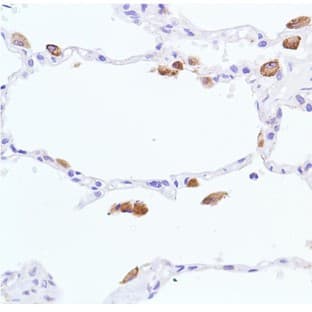

Applications
IHC, WB
Hosts
Rabbit
Applications
IHC, WB
Hosts
Rabbit
Reactivities
Hum, Mouse, Rat
Applications
ICC, WB
Hosts
Rabbit
Reactivities
Hum
Applications
IHC, WB
Hosts
Rabbit
Reactivities
Hum
Applications
ICC, IHC, WB
Hosts
Rabbit
Reactivities
Hum
Applications
WB
Hosts
Rabbit
Reactivities
Hum
Applications
WB
Hosts
Rabbit
Reactivities
Hum
Applications
WB
Hosts
Rabbit
Reactivities
Hum


Latest promotions
Spend less time on DNA cleanup so you can do more science. The MSB Spin PCRapace is the fastest way to purify your DNA from PCR, restriction digestion, and...
New brilliant antibodies, and new lower prices!For flow cytometry reagents in general, \"bright is better.\" The violet-excitable BD Horizon™ BV421 and...
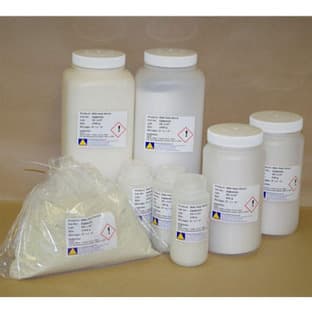
As an incentive to qualify our BSA, we are offering a 20% discount when you purchase your first 100g, 500g or 1000g of any grade of Bovine Serum Albumin....
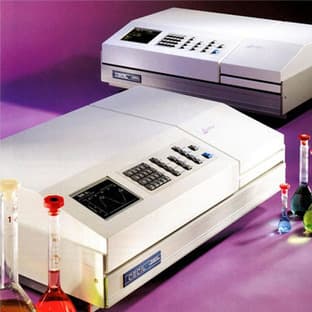
It is not every day that you are given something for nothing. We are giving away additional spectrophotometer software.Cecil Instruments have enhanced the...
Did your supplier increase the price of Fetal Bovine Serum? Did they substitute the US Origin with USDA? Well say no more! Innovative Research is still...
10% Discount on 2 Rabbit Polyclonal Antibody Service. With over 20 years experience, SDIX has developed into the premier US custom antibody producer,...
We're so sure that you'll prefer Cayman Assay kits over your present brand that we're willing to give you a free assay kit to prove it!

For the past decade scientists have extensively used ATS secondary toxin conjugates to make their own targeted toxins for in vitro use.The ability to combine...
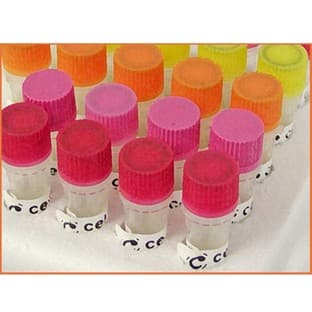
Bulk Cytokines with Custom Vialing.20 - 50% off cytokines, growth factors, chemokines and more...For a limited time Cell Sciences is offering substantial...
Are you planning to have a customised antibody made for your research?Since 2000, Everest has been producing a catalog containing thousands of affinity...
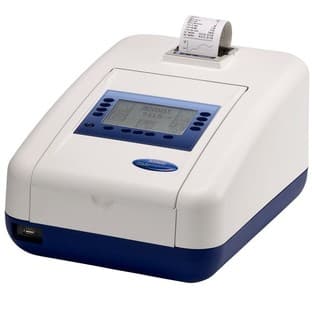
Jenway’s 73 series spectrophotometer range provides four models with a narrow spectral bandwidth of 5nm and an absorbance range of –0.3 to 2.5A,...
Top suppliers

United States Biological
230747 products

Carl Zeiss Microscopy
27 products

Promega Corporation
11 products

Panasonic Healthcare Company
5 products

Life Technologies
1 products

Nikon Instruments Europe
11 products

Olympus Europa Holding GmbH
3 products
Leica Microsystems, Inc.
10 products

GE Healthcare Life Sciences
2 products

Tecan Trading AG
19 products

Beckman Coulter, Inc.
1 products

AB SCIEX
3 products

BD (Becton, Dickinson and Company)
1 products

RANDOX TOXICOLOGY
5 products

Randox Food Diagnostics
6 products