
logo
logo
Granulocyte Macrophage Colony Stimulating Factor, Human (GM-CSF, Burst Promoting Activity, CMCSF, Colony Stimulating Factor 2, CSF Alpha, Eosinophil Colony Stimulating Factor, Granulocyte Macrophage Colony Stimulating Factor, Molgramostin, Pluripoietin Al

Cat no: G8951-17

Granulocyte Macrophage Colony Stimulating Factor, Human (GM-CSF, Burst Promoting Activity, CMCSF, Colony Stimulating Factor 2, CSF Alpha, Eosinophil Colony Stimulating Factor, Granulocyte Macrophage Colony Stimulating Factor, Molgramostin, Pluripoietin Al

Intended Use:\nThis 2.5 hour ELISpot kit is developed to detect and visualize of single cells secreting human GM-CSF\n\nPrinciple:\nAdd stimulated cells or cells and stimulant to the wells and incubate at 37 degrees C in CO2 incubator for a specified period. Secreted human GM-CSF binds to antibody coated ELISpot plate.\nELISpot plate coated with human GM-CSF Capture Antibody. Cells and unbounded proteins are washed away. Streptavidin-AP or Streptavidin-HRP is added and binds to the biotinylated detection antibody. Unbounded proteins are washed away. Biotinylated detection antibody is added and binds to the secreted human GM-CSF. Substrate Solution is added. A colored precipitate forms and appears as spots at the sites of human GM-CSF secreting location. Each individual spot representing an individual human GM-CSF secreting cell.\n\nBackground:\nGranulocyte-Macrophage Colony Stimulating Factor (GM-CSF) is a member of the hematopoietic cytokine family, which includes interleukin-3 (IL-3) and interleukin-5 (IL-5). It is a pleiotropic cytokine that was one of the first growth factors characterized and shown to be necessary for the proliferation, differentiation, activation, and survival of hematopoietic cells. Human GM-CSF precursor (144 a.a.) is cleaved at the amino-terminal end to form a mature polypeptide ( 23 kD, 127 a.a) that contains two intramolecular disulfide bonds, which are important for biological activity and two potential N-glycosylation sites. A single gene on chromosome 5 codes for the human GM-CSF protein. Human GM-CSF shows 56-60% amino acid (a.a) homology to murine GM-CSF but does not exhibit cross-species biological activity or receptor binding.1,2,3 Glycosylation does not appear to be essential for biological activity, since recombinant GM-CSF unlike native GM-CSF is non-glycosylated and it still retains high biologic activity. However, this glycoprotein does show a decrease in affinity for its receptor as a result of non-glycosylation.2\nHuman GM-CSF is different from other family members in that it can be produced and act upon a much wider range of cell types. T-lymphocytes, B-lymphocytes, monocytes/macrophages, endothelial cells, fibroblasts, stromal cells, mesothelial cells, keratinocytes, osteoblasts, uterine epithelial cells, synoviocytes, mast cells, and various solid tumors produce GM-CSF. Usually a cytokine, inflammatory agent, or antigen is needed to stimulate the above cells to synthesize GM-CSF.2,3 For human GM-CSF to exert its biologic effects it will bind to a single class of cell surface receptors on hematopoietic and non-hematopoietic cells.4 The GM-CSF receptor has been cloned3 and, the a and b chains (80 kD and 130 kD) were found to members of the hematopoietin receptor family.\n\nNumerous studies have shown diverse in vitro biological effects of GM-CSF on various cell types. GM-CSF can bind to pluripotent hematopoietic stem cells causing the proliferation and differentiation of various progenitor cells such as granulocyte and macrophage3, whereas eosinophil, erythroid and megakaryocyte colony formation is stimulated at much higher concentrations.2,3,5 GM-CSF is also required for growth and differentiation of typical dendritic cells from human bone marrow2,6, causes activation and prolonged survival of mature hematopoietic cells2,3, and activates mature neutrophils and eosinophils causing antibody dependent cellular cytotoxicity, phagocytosis, superoxide generation. Also, GM-CSF stimulates macrophage production of TNF, M-CSF, G-CSF, and IL-1, intensifies killing by granulocytes and macrophages3, and increases HIV-1 replication at the post-transcriptional level.7 GM-CSF binds to non-hematopoietic cells causing the proliferation and/or migration of fibroblast, endothelial, and various tumor cell lines.8,9 The significance of GM-CSF receptor expression on these non-hematopoietic cell types is unknown. Very little is known about the in vivo biological effects of GM-CSF in various pathological states. However in vivo studies showed a significant eosinophilic response and macrophage granuloma formation accompanied with tissue damage when GM-CSF was overexpressed in the rat lung. Thus role GM-CSF may play a role in the development of fibrotic reactions.10 In vivo, GM-CSF induces the upregulation of CD11b on neutrophils, induces temporary neutrophil sequestration in the lung, followed by specific granule release, and enhanced ex vivo production of superoxide anion on neutrophils.11\n\nVarious pathological conditions are associated with increased GM-CSF levels. These include: lung cancer,12 acute mylogenous leukemia,13 tumor related thrombocytosis,14 myelodysplastic syndrome (MDS),15 thrombocytopenia,16and psoriasis.17 GM-CSF expression is increased in bronchial asthma and lung inflammatory diseases;9,18 non-allergic respiratory diseases such as eosinophil pneumonia, hypersensitivity pneumonitis, iodiopathic pulmonary fibrosis, sarcoidosis, cryptogenic organizing pneumonia, HIV infection,9 rheumatoid arthritis, and systemic lupus erythmatosus.19 GM-CSF shows therapeutic value by accelerating neutrophil recovery in disease induced myelosuppression such as bone marrow transplantation, chemotherapy, and infectious disease.2,3 It is suggested that a GM-CSF may be useful in autologous bone marrow transplantation to detect GM-CSF toxicity for the diagnosis of post-transplant liver disease20 and in gestational trophoblastic disease (GTD) for the early identification of high risk choriocarcinoma cases.21\n\nKit Components:\nA. Microtiter Plates 1x96wells PVDF-bottom Immunospot plates pre-coated with mouse anti-human GM-CSF monoclonal antibody. \nB. Positive Control 1x1vial Supplied as a lyophilized recombinant human GM-CSF. Reconstitutewith 250ul Cell Culture Media before use. Use in 1 hour. The final concentration is 8 ng/mL. \nC. Wash Buffer (20x) 1x60ml Add 1 volume of Wash Buffer (20X) to 19 volume of ddH2O. Use in 1 week. Stored at room temperature.\nD. GM-CSF (Biotin) x11ml Biotinylated mouse anti-human GM-CSF monoclonal antibody Ready to use. \nE. Streptavidin (AP) (100x) 1x120ul Add 1 volume of Streptavidin (AP) (100x) to 100 volumes of F. Streptavidin (AP) Diluent before use. Use in 1 month. Stored at 4 degrees C. \nF. Streptavidin (AP) Diluent 1x11ml Ready to use. \nG. BCIP/NBT Substrate Solution 1x11ml Ready to use.\n\nStorage and Stability:\nStore other components at 4 degrees C. Stable for 6 months. For maximum recovery of product, centrifuge the original vial after thawing and prior to removing the cap.

Prices direct from United States Biological

Quick response times

Exclusive Biosave savings/discounts

SPECIFICATIONS

Catalog Number

G8951-17

Size

96Tests

Applications

ELISA

Reactivities

Hum

References

1. Wong et al. (1985) Science. 228: 810.\n2. Thompson, A.W. (1994) Cytokine Handbook (eds J. Rasko). London: Academic Press, pp.343.\n3. Hamblin, A.S. (1993) Cytokines and Cytokine Receptors. London: Oxford University Press, pp. 35.\n4. DiPersio et al, (1988) J. Biol. Chem. 263 :1834\n5. Robinson, B.E. et al (1987) J. Clinical Inves. 79: 1648.\n6. Reid, C et al. (1993) Dendritic Cells in Fundamental and Clinical Immunology,\n(eds Kamperdijk). New York: Plenum Press, pp. 257.\n7 Lafeuillade, A. et al. (1996) Lancet. 347: 1123.\n8. Thacker, D. et al. (1994) Int. J. Cancer. 56: 236.\n9. Xing, Z. et al. (1996) J. Leukocy Biol. 59: 481.\n10. Xing, Z. (1996) J. Clinical Invest.. 97: 1102.\n11. Joost van Pelt, L et al. (1996) Blood. 87(12): 5306.\n12. Sawyer, C.L et al (1992) Cancer. 69: 1342.\n13. Omori, F et al. (1992) Biotherapy. 4: 147.\n14. Suzuki, A et al., (1992) Blood. 80: 2052.\n15. Zwierina, H. et al. (1992). Leuk. Res. 16: 1181.\n16. Abboud, M.R. (1996) Br J. Haematol. 92(2): 486.\n17. Takematsu, H. and H. Tagami (1990) Dermatologica. 181: 16.\n18. Nakamura, Y et al. (1993) Am. Rev Respir. Dis. 147: 87.\n19. Argo, A, (1992). J. Rheumatol. 19. 1065.\n20. Prince, H.M. et al (1995). Bone Marrow Transplant. 6(1): 195.\n21. Shaarawy, M. (1995) Cytokine. 7(2): 171.\n

Read more on Supplier website
Advertisehere
BMA Biomedicals Horizontal banner
BMA Biomedicals

Latest promotion FROM:

BMA Biomedicals
View promotion

Latest promotions

Spend less time on DNA cleanup so you can do more science. The MSB Spin PCRapace is the fastest way to purify your DNA from PCR, restriction digestion, and...
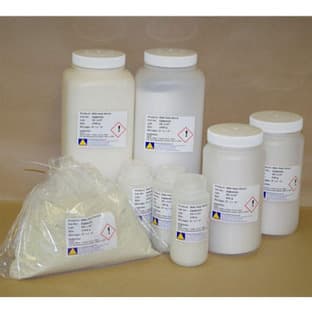
As an incentive to qualify our BSA, we are offering a 20% discount when you purchase your first 100g, 500g or 1000g of any grade of Bovine Serum Albumin....

New brilliant antibodies, and new lower prices!For flow cytometry reagents in general, \"bright is better.\" The violet-excitable BD Horizon™ BV421 and...
It is not every day that you are given something for nothing. We are giving away additional spectrophotometer software.Cecil Instruments have enhanced the...

10% Discount on 2 Rabbit Polyclonal Antibody Service. With over 20 years experience, SDIX has developed into the premier US custom antibody producer,...

Did your supplier increase the price of Fetal Bovine Serum? Did they substitute the US Origin with USDA? Well say no more! Innovative Research is still...

We're so sure that you'll prefer Cayman Assay kits over your present brand that we're willing to give you a free assay kit to prove it!

For the past decade scientists have extensively used ATS secondary toxin conjugates to make their own targeted toxins for in vitro use.The ability to combine...

Bulk Cytokines with Custom Vialing.20 - 50% off cytokines, growth factors, chemokines and more...For a limited time Cell Sciences is offering substantial...

Are you planning to have a customised antibody made for your research?Since 2000, Everest has been producing a catalog containing thousands of affinity...
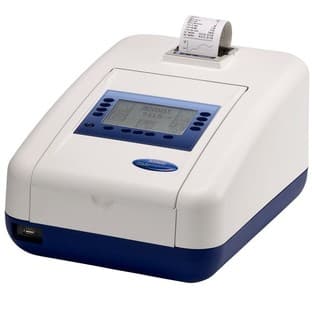
Jenway’s 73 series spectrophotometer range provides four models with a narrow spectral bandwidth of 5nm and an absorbance range of –0.3 to 2.5A,...