
logo
logo
Mesothelin, Human, BioAssay(TM) ELISA Kit (CAK1 Antigen, Pre-pro-megakaryocyte-potentiating Factor, MSLN, MPF)

Cat no: M3006-02

Mesothelin, Human, BioAssay(TM) ELISA Kit (CAK1 Antigen, Pre-pro-megakaryocyte-potentiating Factor, MSLN, MPF)

Mesothelin, also known as CAK1 and ERC, is a protein that is mainly expressed in the mesothelial cells lining the pleura, pericardium, and peritoneum. The Mesothelin gene encodes a precursor protein of 70kD that is cleaved into two products, including megakaryocyte potentiating factor (aa37-286) and Mesothelin (aa296-606). Megakaryocyte potentiation factor is a secreted protein of about 32kD, and it functions as a cytokine that can stimulate colony formation in bone marrow megakaryocytes. \n\nMesothelin is a 40kD glycosylphosphatidylinositol-anchored cell-surface protein. Multiple transcription variants of Mesothelin, as a result of alternative splicing, have been described. Variant 1 is primarily expressed at the surface of the cells and can be shed. Compared to variant 1, variant 2 has an eight aa insertion between aa409-416 and variant 3 differs from aa601-630. Variant 1 is the predominant form that is expressed by both normal and tumor cells, while variants 2 and 3 exist at low levels. The biological functions of Mesothelin remain unclear. \n\nBera et al. generated knockout mice in which the Mesothelin gene was inactivated. They found that these mice did not have any detectable abnormal phenotypes, and they produced offspring normally, suggesting that Mesothelin is not essential for growth and development. Other studies have reported that cells transfected with Mesothelin were more difficult to remove from the culture dishes than nontransfected cells. This indicates that Mesothelin might function as an adhesion molecule. This notion is further supported by the observation that Mesothelin is able to bind to CA125/MUC16 with a high affinity and that this interaction mediates cell adhesion. Mesothelin may thus play an important role in the peritoneal spread of ovarian cancer. The expression of Mesothelin is modulated by the Wnt proteins. In mouse mammary epithelial cells, Mesothelin is up-regulated by Wnt-1, while down-regulated by Wnt-5a. \n\nUnder physiological conditions, the expression of Mesothelin is limited. However, overexpression of Mesothelin has been described in many types of malignancies, such as mesothelioma, ovarian cancer, and pancreatic cancer. Further studies have suggested that this cancer-specific overexpression of Mesothelin might be attributed to an upstream transcription enhancer. Mesothelin is detectable in many biological fluids, such as serum and urine. It has been demonstrated that quantification of Mesothelin in these biological fluids may serve as a useful biomarker for cancer diagnosis, prognosis, and monitoring response to therapy in patients with mesothelioma and ovarian cancer. \n\nFurthermore, due to its low expression in normal tissues and high expression in tumor cells, Mesothelin is an attractive candidate for cancer immunotherapy. Additionally, Mesothelin can elicit an autoimmune response in cancer patients. These therapies include agents that target cell surface Mesothelin or elicit an immune response against Mesothelin.\n\nSample Type:\nCell culture supernates, serum, plasma, saliva, and urine\n\nIntended Use:\nFor the quantitative determination of human Mesothelin concentrations in cell culture supernates, serum, plasma, saliva, and urine.\n\nSensitivity:\nTwenty assays were evaluated and the minimum detectable dose (MDD) of Mesothelin ranged from 0.005-0.022ng/ml. The mean MDD was 0.010ng/ml. The MDD was determined by adding two standard deviations to the mean optical density value of twenty zero standard replicates and calculating the corresponding concentration.\n\nSpecificity:\nRecognizes recombinant and natural human Mesothelin.\n\nTest Principle:\nThis assay employs the quantitative sandwich enzyme immunoassay technique. A monoclonal antibody specific for Mesothelin has been pre-coated onto a microplate. Standards and samples are pipetted into the wells and any Mesothelin present is bound by the immobilized antibody. After washing away any unbound substances, an enzyme-linked monoclonal antibody specific for Mesothelin is added to the wells. Following a wash to remove any unbound antibody-enzyme reagent, a substrate solution is added to the wells and color develops in proportion to the amount of Mesothelin bound in the initial step. The color development is stopped and the intensity of the color is measured.\n\nKit Components:\nMesothelin Microplate: 12 strips x 8 wells\nMesothelin monoclonal antibody, conjugated to HRP: 1 x 21ml\nMesothelin Standard (lyophilized): 1 x 100ng\nAssay Diluent RD1S: 1 x 11ml\nCalibrator Diluent RD5-20 Concentrate: 1 x 21ml\nWash Buffer Concentrate: 1 x 21ml\nColor Reagent A (stabilized hydrogen peroxide): 1 x 12.5ml\nColor Reagent B (tetramethylbenzidine): 1 x 12.5ml\nStop Solution (2N sulfuric acid): 1 x 6ml\nPlate Covers: 4 adhesive strips\n\nStorage and Stability:\nSee Kit Protocol for detailed storage instructions.

Prices direct from United States Biological

Quick response times

Exclusive Biosave savings/discounts

SPECIFICATIONS

Catalog Number

M3006-02

Size

1Kit

References

1. Chang, K. et al. (1996) Proc. Natl. Acad. Sci. USA 93:136. 2. Yamaguchi, N. et al. (1994) J. Biol. Chem. 269:805. 3. Chang, K. et al. (1992) Int. J. Cancer 50:373. 4. Kojima, T. et al. (1995) J. Biol. Chem. 270:21984. 5. Scholler, N. et al. (1999) Proc. Natl. Acad. Sci. USA 96:11531. 6. Hellstrom, I. et al. (2006) Cancer Epidemiol Biomarkers Prev. 15:1014. 7. Ho, M. et al. (2006) Cancer Epidemiol Biomarkers Prev. 15:9. 8. Segawa, T. et al. (2008) Biochemical and Biophysical Res. Comm. 369:915. 9. Muminova, Z.E. et al. (2004) BMC Cancer 4:19. 10. Bera, T. et al. (2000) Mol. Cell. Biol. 20:2902. 11. Rump, A. et al. (2004) J. Biol. Chem. 279:9190. 12. Gubbels, J.A.A. et al. (2006) Mol. Cancer 5:50. 13. Kaneko, O. et al. (2009) J. Biol. Chem. 284:3739. 14. Prieve, M.G. et al. (2003) BMC Dev. Biol. 3:2. 15. Argni, P. et al. (2001) Clin. Cancer Res. 7:3862. 16. Yen, J.M. et al. (2006) Clin. Cancer Res. 12:827. 17. Ryu, B. et al. (2002) Cancer Res. 62:819. 18. Hucl, T. et al. (2007) Cancer Res. 67:9055. 19. Robinson, B.W. et al. (2003) Lancet 362:1612. 20. Hassan, R. et al. (2006) Clin. Cancer Res. 12:447. 21. Hassan, R. et al. (2008) Eur. J. Cancer 44:46. 22. Ho, J.M. et al. (2005) Clin. Cancer Res. 11:3814. 23. Thomas, A.M. et al. (2004) J. Exp. Med. 200:297.

Read more on Supplier website
Advertisehere
BMA Biomedicals Horizontal banner
BMA Biomedicals

Latest promotion FROM:

BMA Biomedicals
View promotion

Latest promotions

Spend less time on DNA cleanup so you can do more science. The MSB Spin PCRapace is the fastest way to purify your DNA from PCR, restriction digestion, and...
New brilliant antibodies, and new lower prices!For flow cytometry reagents in general, \"bright is better.\" The violet-excitable BD Horizon™ BV421 and...
As an incentive to qualify our BSA, we are offering a 20% discount when you purchase your first 100g, 500g or 1000g of any grade of Bovine Serum Albumin....
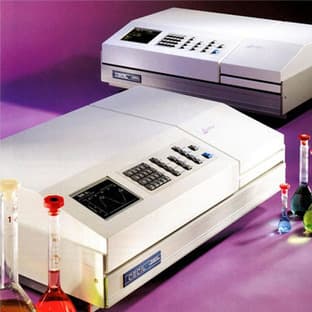
It is not every day that you are given something for nothing. We are giving away additional spectrophotometer software.Cecil Instruments have enhanced the...
Did your supplier increase the price of Fetal Bovine Serum? Did they substitute the US Origin with USDA? Well say no more! Innovative Research is still...

For the past decade scientists have extensively used ATS secondary toxin conjugates to make their own targeted toxins for in vitro use.The ability to combine...

We're so sure that you'll prefer Cayman Assay kits over your present brand that we're willing to give you a free assay kit to prove it!

10% Discount on 2 Rabbit Polyclonal Antibody Service. With over 20 years experience, SDIX has developed into the premier US custom antibody producer,...
Bulk Cytokines with Custom Vialing.20 - 50% off cytokines, growth factors, chemokines and more...For a limited time Cell Sciences is offering substantial...

Are you planning to have a customised antibody made for your research?Since 2000, Everest has been producing a catalog containing thousands of affinity...
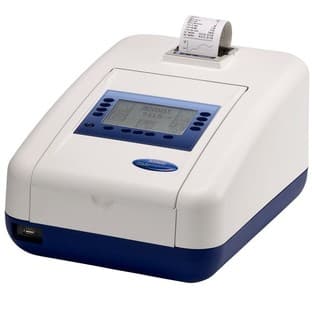
Jenway’s 73 series spectrophotometer range provides four models with a narrow spectral bandwidth of 5nm and an absorbance range of –0.3 to 2.5A,...