


Supplier:
United States BiologicalCat no: H9807-01
Hypoxia Inducible Factor 1a (HIF-1a)
Prices direct from United States Biological
Quick response times
Exclusive Biosave savings/discounts
SPECIFICATIONS
Catalog Number
H9807-01
Size
100ul
Applications
ELISA, ICC, IF, IHC, IP, WB
Hosts
Mouse
Reactivities
Hum, Mouse, Rat, Bov, NHP, Prc, Rabbit, Sheep
Form
Supplied as a liquid in PBS, pH 7.2, 0.05% sodium azide.
P Type
Mab
Purity
Purified by Protein G affinity chromatography.
Isotype
IgG2b
References
1. Feldser, D., et al. Reciprocal Positive Regulation of Hypoxia-inducible Factor 1alpha and Insulin-like Growth Factor Cancer Research. 59: 3915-3918, 1999. \n2. Nguyen, S.V., and Claycomb, W.C. Hypoxia Regulates the Expression of the Adrenomedullin and HIF-1 Genes in Cultured HL-1 Cardiomyocytes. Biochem. Biophys. Res. Comm. 265: 382-386, 1999. \n3. Ravi, R., et al.Regulation of tumor angiogenesis by p53-induced degradation of hypoxia-inducible factor 1alpha. \nGenes and Development. 14: 34-44, 2000. \n4. Zhong, H. et al. Modulation of Hypoxia-inducible Factor 1alpha Expression by the Epidermal Growth Factor/Phosphatidylinositol 3-Kinase/PTEN/AKT/FRAP Pathway in Human Prostate Cancer Cells: Implications for Tumor Angiogenesis and Therapeutics. Cancer Research. 60: 1541-1545, 2000. \n5. Rivard, A., et al. Age-dependent Defect in VEGF Expression is Associated with Reduced HIF-1 Activity. Journal of Biological Chemistry. July 5, 2000 (epublished). \n6. Chandel, NS, et al. Reactive oxygen species generated at mitochondrial Complex III stabilize HIF-1-alpha during hypoxia: A mechanism of O2 sensing. J Biol Chem. 2000 May 31 (epublished). \n7. Agani, F.H., et al. \"The Role of Mitochondria in the Regulation of Hypoxia-inducible Factor 1 Expression During Hypoxia\". JBC Papers in Press. Published on August 28, 2000 as Manuscript M005643200. \n8. Birner, P., et al. Overexpression of Hypoxia-inducible Factor 1 alpha is a Marker for an Unfavorable Prognosis in early-Stage Invasive Cervical Cancer. Cancer Research. 60: 4693-4696, 2000. \n9. Rajakumar, A., and Conrad, K. Expression, Ontogeny, and Regulation of Hypoxia-Inducible Transcription Factors in the Human Placenta. Biology of Reproduction. 63: 559-569, 2000. \n10. Gardner, L.B., et al. Hypoxia inhibits G1/S transition through regulation of p27 expression. J. Biol. Chem. epublished ahead of print. Manuscript M010189200. \n11. Palmer, L.A., et al. Normoxic Stabilization of Hypoxia-Inducible Factor-1 Expression and Activity: Redox-Dependent Effect of Nitrogen Oxides. Molecular Pharmacology. 58(6): 1197-1208, 2000. \n12. Yu, Fang, et al. \"Dynamic, Site-specific Interaction of Hypoxia-inducible Factor-1alpha with the von Hippel-Lindau Tumor Suppressor Protein\" Cancer Research. 61: 4136-4142, 2001. \n13. Chen, C., et al Regulation of glut1 mRNA by Hypoxia-inducible Factor-1. Journal of Biological Chemistry. 276(12): 9519-9525, 2001. \n14. Birner, P., et al. Expression of Hypoxia-inducible Factor 1alpha in Epithelial Ovarian Tumors: Its Impact pn Prognosis and on response to Chemotherapy. Clinical Cancer Research. 7: 1661-1668, 2001. \n15. Birner, P., et al. Expression of Hypoxia-inducible Factor 1alpha in oligodendrogliomas. Cancer. 92(1): 165-71, 2001. \n16. Volm, M and R. Koomagi. Hypoxia-inducible Factor (HIF-1)and its Relationship to Apoptosis and Proliferation in Lung Cancer. \nAntiCancer Research. 20: 1527-1534, 2000. \n17. Schindl, M., et al. DNA repair-redox enzyme apurinic endonuclease in cervical cancer: Evaluation of redox control of HIF-1alpha and prognostic significance. \nInternation Journal Oncology. 19(4): 799-802, 2001. \n18. Duyndam, M., et al. Induction of Vascular Endothelial Growth Factor Expression and Hypoxia-inducible Factor 1alpha Protein by the Oxidative Stressor Arsenite. \nJBC Papers in Press. Published on October 18, 2001 as Manuscript M106282200 \n19. Ivan, M., et al. HIF-alpha Targeted for VHL-Mediated Destruction by Proline Hydroxylation: Implications for O2 Sensing. Science. 292(5516): 464-8, 2001. \n20. Michenko, A., et al. Hypoxia-inducible factor-1 (HIF-1) mediated expression of the 6-phosphofructo-2-kinase/fructose-2,6-biophosphatase-3 (PFKBF3) gene: its possible role in the Warburg effect. JBC Papers in Press. Published on December 14, 2001 as Manuscript M110978200. \n21. Makino, Y., et al. Inhibitory PAS domain protein is a negative regulator of hypoxia-inducible gene expression. \nNature. 414: 550-554, 2001. \n22. Tendler, D., et al. Intersction of Interferon and Hypoxia Signal Transduction Pathways in Nitric Oxide-induced Tumor Apoptosis. Cancer Research. 61: 3682-3688, 2001. \n23. Seshadri, V., et al. Dual role of insulin in transcriptional regulation of the acute phase reactant ceruloplasmin. JBC Papers in Press. Published on May 23, 2002 as Manuscript M203610200. \n24. Treins, C. et al.Insulin stimulates HIF-1 through a PI-3-kinase/TOR-dependent signaling pathway. JBC Papers in Press. Published on May 24, 2002 as Manuscript M204152200. \n25. Sutter, C.H, et al. Hypoxia-inducible factor 1 alpha protein expression is controlled by oxygen-regulated ubiquitination that is disrupted by deletions and missense mutations. PNAS. 97(9): 4748-4753, 2000. \n26. Jogi, A., et al. Hypoxia alters gene expression in human neuroblastoma cells toward an immature and neural crest-like phenotype. PNAS. 98(4): 1583-1588, 2001. \n27. Haase, V.H., et al. Vascular tumors in livers with targeted inactivation of the von Hippel-Lindau tumor suppressor. \nPNAS. 98(4): 1583-1588, 2001. \n28. Kamura, T., et al. Activation of HIF1alpha ubuitination by a reconstituted von Hippel-Lindau tumor suppressor complex. \nPNAS. 97(19): 10430-10435, 2000. \n29. Kim, M.S., et al. Histone deactylases induce angiogenesis by negative regulation of tumor suppressor genes. \nNature Medicine. 7: 437-443, 2001. \n30. Palladino, M., et al. Expression of Hypoxia-Inducible Factor 1-alpha in the rat epidiymis. 35th Annual Meeting of the Society for the Study of Reproduction. 66(1): p.331 (abstract 577), 2002. \n31. Fukuda, R., et al. IGF-1 Induces HIF-1-mediated VEGF Expression that is Dependent on MAP Kinase and PI-3-Kinase Signaling in Colon Cancer Cells. JBC Papers in Press. Published on July 30, 2002 as manuscript M203781200 \n32. Palladino, M., et al. Stimulation of hypoxia-inducible factor-1 alpha protein in the adult rat testis following ischemic injury occurs without an increase in hif-1 alpha messenger RNA expression. Biology of Reproduction. 67: 995-1002, 2002 \n33. Krieg, M., et al. Up-regulation of hypoxia-inducible factors HIF-1alpha and HIF-2alpha under normoxic conditions in renal carcinoma cells by von Hippel-Lindau tumor suppressor gene loss function. Oncogene. 19: 5435-5443, 2000 \n34. Rapisarda, A., et al. Identification of Small Molecule Inhibitors of Hypoxia-Inducible Factor 1 Transcriptional Activation Pathway. Cancer Research. 62: 4316-4324, 2002 \n\n\n
Additional Info
Recognizes human HIF-1 alpha. Recognizes bands at 120kD representing HIF-1 alpha in induced tissues and cells. Multiple bands may be seen at 100-120kD representing post-translational modification of HIF-1 alpha. Species crossreactivity: monkey, sheep, mouse, rat, ferret, porcine, hamster, bovine and rabbit.
SUPPLIER INFO








Latest promotions
Spend less time on DNA cleanup so you can do more science. The MSB Spin PCRapace is the fastest way to purify your DNA from PCR, restriction digestion, and...
New brilliant antibodies, and new lower prices!For flow cytometry reagents in general, \"bright is better.\" The violet-excitable BD Horizon™ BV421 and...
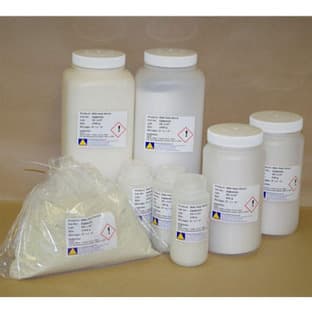
As an incentive to qualify our BSA, we are offering a 20% discount when you purchase your first 100g, 500g or 1000g of any grade of Bovine Serum Albumin....
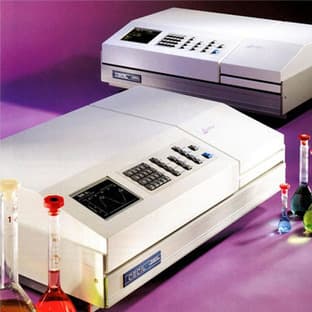
It is not every day that you are given something for nothing. We are giving away additional spectrophotometer software.Cecil Instruments have enhanced the...
Did your supplier increase the price of Fetal Bovine Serum? Did they substitute the US Origin with USDA? Well say no more! Innovative Research is still...

For the past decade scientists have extensively used ATS secondary toxin conjugates to make their own targeted toxins for in vitro use.The ability to combine...

We're so sure that you'll prefer Cayman Assay kits over your present brand that we're willing to give you a free assay kit to prove it!

10% Discount on 2 Rabbit Polyclonal Antibody Service. With over 20 years experience, SDIX has developed into the premier US custom antibody producer,...
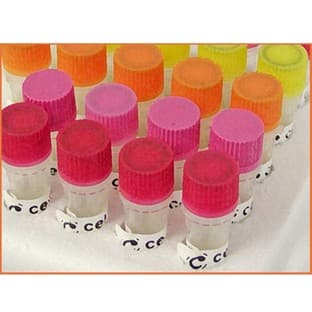
Bulk Cytokines with Custom Vialing.20 - 50% off cytokines, growth factors, chemokines and more...For a limited time Cell Sciences is offering substantial...
Are you planning to have a customised antibody made for your research?Since 2000, Everest has been producing a catalog containing thousands of affinity...
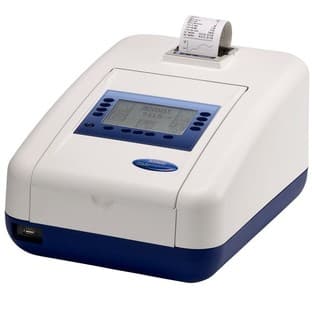
Jenway’s 73 series spectrophotometer range provides four models with a narrow spectral bandwidth of 5nm and an absorbance range of –0.3 to 2.5A,...
Top suppliers

United States Biological
230747 products

Carl Zeiss Microscopy
27 products

Promega Corporation
11 products

Panasonic Healthcare Company
5 products

Life Technologies
1 products

Nikon Instruments Europe
11 products

Olympus Europa Holding GmbH
3 products
Leica Microsystems, Inc.
10 products

GE Healthcare Life Sciences
2 products

Tecan Trading AG
19 products

Beckman Coulter, Inc.
1 products

AB SCIEX
3 products

BD (Becton, Dickinson and Company)
1 products

RANDOX TOXICOLOGY
5 products

Randox Food Diagnostics
6 products