
logo
logo
Interleukin-10, Human, High Sensitivity, BioAssay(TM) ELISA Kit (IL-10, Cytokine Synthesis Inhibitory Factor, CSIF)

Cat no: I8432-27M

Interleukin-10, Human, High Sensitivity, BioAssay(TM) ELISA Kit (IL-10, Cytokine Synthesis Inhibitory Factor, CSIF)

Interleukin 10, initially designated CSIF, was originally identified as a product of mouse T helper 2 clones that suppressed the production of cytokines by T helper 1 clones responding to stimulation by antigen in the presence of monocyte/macrophage antigen-presenting cells. The human homologue of mouse IL-10 was subsequently cloned by cross-hybridization. Human and mouse IL-10 are 81% and 73% identical at the nucleotide and aa levels, respectively. Both mouse and human IL-10 are also highly homologous to a previously uncharacterized open reading frame in the Epstein-Barr virus genome, BCRF1. The BCRF1 gene product is now designated viral IL-10. In mice, IL-10 is produced by Th2 cells, activated fetal thymocytes, macrophages, keratinocytes, LY-1+ (CD5+), and normal B cells. In humans, Th0-, Th1-, and Th2-like CD4+ T cell clones, B cell lines derived from patients with AIDS and Burkitt's lymphoma, activated monocytes and peripheral blood T cells, including Th2-like CD8+, CD4+CD45RA+ naive, CD4+CD45RA- "memory" T cells, and bronchogenic carcinoma cells were found to have the capacity to produce IL-10. Mouse, rat, and human IL-10 cDNAs encode 178aa residue precursor polypeptides with hydrophobic signal peptides that are cleaved to generate 160aa residue mature proteins. There is at least 73% aa identity between the proteins from the three species. In contrast to mouse IL-10, human IL-10 appears to be non-glycosylated. Both mouse and human IL-10 exist as non-covalently-linked homodimers in solution. Although human IL-10 is active on mouse cells, mouse IL-10 does not show species cross-reactivity on human cells. The receptor for IL-10 has been isolated from both mouse and human sources. Both the mouse and human receptors are transmembrane glycoproteins about 110kD in size. The receptor for IL-10 most closely resembles the interferon-g receptor. Both mouse and human IL-10 have been found to bind to their expressed receptors with high affinity (Kd=70pM and 200pM, respectively). IL-10 is a pleiotropic cytokine that can exert either immunosuppressive or immunostimulatory effects on a variety of cell types. The inhibitory effects of IL-10 on mouse Th1 cytokine synthesis was found to be indirect and due to the inhibitory effects of mouse IL-10 on the accessory function and antigen-presenting capacity of monocyte/macrophages. Similarly, human IL-10 can also inhibit monocyte/macrophage-dependent, antigen-stimulated cytokine synthesis by human PBMNC and NK cells. In addition to cytokine synthesis, IL-10 can inhibit monocyte/macrophage-dependent, antigen-specific proliferation of mouse Th1 clones, as well as human Th0-, Th1-, and Th2-like T cell clones. The mechanisms by which IL-10 inhibits the accessory and antigen-presenting functions of macrophages are not known. While it has been demonstrated that IL-10 can downregulate class II MHC expression on macrophages, it has also been suggested that IL-10 can inhibit production or function of a macrophage membrane-bound co-stimulator required for activation of T cells and NK cells. 2IL-10 is a potent modulator of monocyte/macrophage function. As a downregulator of the cell-mediated immune response, IL-10 can suppress the production of prostaglandin E2 and numerous pro-inflammatory cytokines, including TNF-a, IL-1, IL-6, and IL-8 by monocytes following activation. IL-10 also enhances the release of soluble TNF receptors and inhibits the expression of surface ICAM-1 and B7. Finally, IL-10 has been reported to suppress the synthesis of superoxide anion plus reactive oxygen intermediates (ROI), and either inhibit or facilitate nitric oxide synthesis, depending on the time of exposure to activated macrophages. This facilitation is one of many stimulatory functions on monocytes and macrophages that includes upregulation of both IL-1ra and CD64 (Fcg RI), and an increase in antibody-dependent cellular cytotoxicity. These results, taken together, suggest that IL-10 can serve as both a macrophage activator and deactivator and exhibit potent inflammatory activities. In vivo, the induction of IL-10 synthesis during certain parasitic infections has been suggested to be an important strategy by which parasites evade IFN-g-dependent, cell-mediated immune destruction. It has also been suggested that the viral IL-10 in the EBV genome may represent a captured mammalian gene used by the virus to improve its chances for survival. IL-10 also has marked effects on B cells. In particular, IL-10 induces IgA synthesis in CD40-activated cells and selects for the secretion of IgG1 and IgG3, again in CD40-activated naive (surface IgD+) B cells, the only cytokine identified to induce such subclasses. IL-10 also enhances the survival of splenic B cells through the induction of bcl-2 protein synthesis and stimulates tonsillar B cell proliferation through the upregulation of IL-2 receptors. Aside from its activities on B lymphocytes, IL-10 also has documented activity on endothelial cells, where it mimics IL-4, and on thymocytes and mast cells, where it acts as a growth co-stimulator. On granulocytes, it has multiple effects. On LPS-stimulated eosinophils, IL-10 inhibits pro-inflammatory cytokine synthesis (TNF-a, IL-8) and reduces the survival time expected from LPS exposure. On neutrophils, IL-10 has been reported to diminish secretion of TNF-a, IL-1b, IL-8, MIP-1a, and MIP-1b after LPS challenge. Further, IL-10 upregulates IL-1ra expression from LPS-stimulated neutrophils, suggesting a role for IL-10 as an inflammatory molecule.\n\nSample Type:\nSerum and plasma\n\nIntended Use:\nFor the quantitative determination of human interleukin 10 concentrations in serum and plasma.\n\nSensitivity:\nTwenty-three assays were evaluated and the minimum detectable dose (MDD) of IL-10 ranged from 0.03-0.17pg/ml. The mean MDD was 0.09pg/ml. The MDD was determined by adding two standard deviations to the mean optical density value of twenty zero standard replicates and calculating the corresponding concentration.\n\nSpecificity:\nThis assay recognizes both natural and recombinant human IL-10.\n\nTest Principle:\nThis assay employs the quantitative sandwich enzyme immunoassay technique. A monoclonal antibody specific for IL-10 has been pre-coated onto a microplate. Standards and samples are pipetted into the wells and any IL-10 present is bound by the immobilized antibody. After washing away any unbound substances, an enzyme-linked monoclonal antibody specific for IL-10 is added to the wells. Following a wash to remove any unbound antibody-enzyme reagent, a substrate solution is added to the wells. After an incubation period, an amplifier solution is added to the wells and color develops in proportion to the amount of IL-10 bound in the initial step. The color development is stopped and the intensity of the color is measured.\n\nKit Components:\nIL-10 Microplate: 12 stripsx8 wells polystyrene microplate\nIL-10, monoclonal conjugated to AP: 1x21ml\nIL-10 Standard: 1x500pg\nAssay Diluent RD1-10: 1x6ml\nCalibrator Diluent RD6-10: 1x21ml\nWash Buffer Concentrate: 1x100ml\nSubstrate (Lyophilized NADPH with stabilizers) 1x1 vial\nSubstrate Diluent: 1x7ml\nAmplifier (Lyophilized amplifier enzymes with stabilizers): 1x1 vial\nAmplifier Diluent: 1x7ml\nStop Solution (2N sulfuric acid): 1x6ml\nPlate Covers: 8 adhesive strips\n\nStorage and Stability:\nSee Kit Protocol for detailed storage instructions.

Prices direct from United States Biological

Quick response times

Exclusive Biosave savings/discounts

SPECIFICATIONS

Catalog Number

I8432-27M

Size

1Kit

References

1. Fiorentino, D.F. et al. (1989) J. Exp. Med. 170:2081. 2. Powrie, F. et al. (1993) Eur. J. Immunol. 23:3043. 3. Vielna, P. et al. (1991) Proc. Natl. Acad. Sci. USA 88:1172. 4. Moore, K.W. et al. (1990) Science 248:1230. 5. Le Gros, G. and F. Erard (1994) Curr. Opin. Immunol. 6:453. 6. Smith, D.R. et al. (1994) Am. J. Pathol. 145:18. 7. de Waal, M.R. et al. (1992) Curr. Opin. Immunol. 4:314. 8. Enk, A.H. et al. (1992) J. Immunol. 149:92. 9. Rennick, D. et al. (1992) Prog. Growth Factor Res. 4:207. 10. Howard, M. et al. (1992) J. Clin. Immunol. 12:239. 11. Moore, K. et al. (1993) Annu. Rev. Immunol. 11:165. 12. Mosmann, T.R. (1994) Adv. Immunol. 56:1. 13. Feng, L. et al. (1993) Biochem. Biophys. Res. Commun. 192:452. 14. Ho, A.S.Y. et al. (1993) Proc. Natl. Acad. Sci. USA 90:11267. 15. Liu, Y. et al. (1994) J. Immunol. 152:1821. 16. Shanafelt, A.B. et al. (1991) EMBO J. 10:4105. 17. Sato, N. and A. Miyajima (1994) Curr. Opin. Cell Biol. 6:174. 18. Fiorentino, D.F. et al. (1991) J. Immunol. 146:3444. 19. Yssel, H. et al. (1991) J. Exp. Med. 174:593. 20. de Waal, M.R. et al. (1991) J. Exp. Med. 174:915. 21. Fiorentino, D.F. et al. (1991) J. Immunol. 147:3815. 22. de Waal, M.R. et al. (1991) J. Exp. Med. 174:1209. 23. Niiro, H. et al. (1994) Int. Immunol. 6:661. 24. Leeuwenberg, J.F.M. et al. (1994) J. Immunol. 152:4036. 25. Willems, F. et al. (1994) Eur. J. Immunol. 24:1007. 26. Niiro, H. et al. (1992) Lymphokine Cytokine Res. 11:209. 27. Corradin, S.B. et al. (1993) Eur. J. Immunol. 23:2045. 28. Jenkins, J.K. et al. (1994) Lymph. Cyto. Res. 13:47. 29. te Velde, A.A. et al. (1992) J. Immunol. 149:4048. 30. Gazzinelli, R.T. et al. (1992) J. Immunol. 148:1792. 31. Hsu, D.H. et al. (1990) Science 250:830. 32. Briere, F. et al. (1994) J. Clin. Invest. 94:97. 33. Briere, F. et al. (1994) J. Exp. Med. 179:757. 34. Levy, Y. and J.C. Brouet (1994) J. Clin. Invest. 93:424. 35. Fluckiger, A-C. et al. (1993) J. Exp. Med. 178:1473. 36. Sironi, M. et al. (1993) Eur. J. Immunol. 23:2692. 37. Suda, T. et al. (1990) Cell. Immunol. 129:228. 38. Rennick, D. et al. (1994) Exp. Hematol. 22:136. 39. Thompson-Snipes, L. et al. (1991) J. Exp. Med. 173:507. 40. Takanaski, S. et al. (1994) J. Exp. Med. 180:711. 41. Cassatella, M.A. et al. (1993) J. Exp. Med. 178:2207. 42. Kasama, T. et al. (1994) J. Immunol. 152:3559. 43. Cassatella, M.A. et al. (1994) J. Exp. Med. 179:1695.

Read more on Supplier website

Applications

ELISA

Reactivities

Hum

More info

Applications

IF

Hosts

Mouse

More info

Applications

ELISA, WB

Hosts

Mouse

Reactivities

Hum

More info

Applications

ELISA, FC, WB

Hosts

Mouse

Reactivities

Hum

More info

Applications

ELISA, FC, IHC, WB

Hosts

Mouse

More info

Applications

IHC, WB

Hosts

Rabbit

Reactivities

Hum

More info

Applications

ELISA, WB

Hosts

Rabbit

Reactivities

Hum

More info
Advertisehere
MtoZ Horizontal banner
MtoZ Biolabs

Latest promotion FROM:

MtoZ Biolabs
View promotion

Latest promotions

Spend less time on DNA cleanup so you can do more science. The MSB Spin PCRapace is the fastest way to purify your DNA from PCR, restriction digestion, and...
New brilliant antibodies, and new lower prices!For flow cytometry reagents in general, \"bright is better.\" The violet-excitable BD Horizon™ BV421 and...
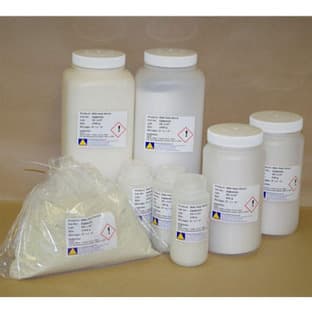
As an incentive to qualify our BSA, we are offering a 20% discount when you purchase your first 100g, 500g or 1000g of any grade of Bovine Serum Albumin....
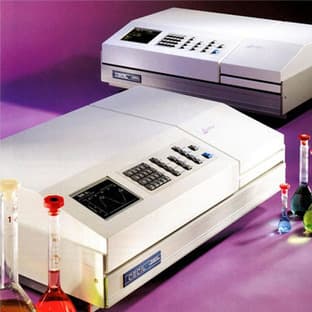
It is not every day that you are given something for nothing. We are giving away additional spectrophotometer software.Cecil Instruments have enhanced the...

We're so sure that you'll prefer Cayman Assay kits over your present brand that we're willing to give you a free assay kit to prove it!

Did your supplier increase the price of Fetal Bovine Serum? Did they substitute the US Origin with USDA? Well say no more! Innovative Research is still...

For the past decade scientists have extensively used ATS secondary toxin conjugates to make their own targeted toxins for in vitro use.The ability to combine...

10% Discount on 2 Rabbit Polyclonal Antibody Service. With over 20 years experience, SDIX has developed into the premier US custom antibody producer,...

Bulk Cytokines with Custom Vialing.20 - 50% off cytokines, growth factors, chemokines and more...For a limited time Cell Sciences is offering substantial...
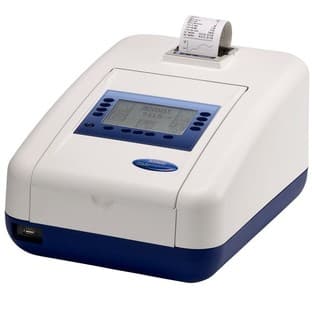
Jenway’s 73 series spectrophotometer range provides four models with a narrow spectral bandwidth of 5nm and an absorbance range of –0.3 to 2.5A,...

Are you planning to have a customised antibody made for your research?Since 2000, Everest has been producing a catalog containing thousands of affinity...