
logo
logo
Interleukin 8, Human (IL-8), BioAssay(TM) ELISpot Kit

Cat no: I8430-01K

Interleukin 8, Human (IL-8), BioAssay(TM) ELISpot Kit

Intended Use:\nThis 2.5 hour ELISpot kit is developed to detect and visualize of single cells secreting human IL-8.\n\nPrinciple:\nAdd stimulated cells or cells and stimulant to the wells and incubate at 37 degrees C in CO2 incubator for a specified period. Secreted human IL-8 binds to antibody coated microtiter plate.\nmicrotiter plate coated with human IL-8 Capture Antibody. Cells and unbounded proteins are washed away. Streptavidin-AP or Streptavidin-HRP is added and binds to the biotinylated detection antibody. Unbounded proteins are washed away. Biotinylated detection antibody is added and binds to the secreted human IL-8. Substrate Solution is added. A colored precipitate forms and appears as spots at the sites of human IL-8 secreting location. Each individual spot representing an individual human IL-8 secreting cell.\n\nBackground:\nInterleukin-8 (IL-8), also known as neutrophil attractant/activating protein (NAP-1), monocyte-derived neutrophil-activating peptide (MONAP), monocyte-derived neutrophil chemotactic factor (MDNCF), T lymphocyte chemotactic factor (TCF) and leukocyte adhesion inhibitor (LAI), is a member of the chemokine superfamily which selectively chemoattract and activate specific leukocyte subpopulations (1,2). All of these cytokines have four conserved cysteines and two distinguishable subfamilies. These two subfamilies are dependent on the position of the first two cysteines, which are either separated by on amino acid (C-X-C proteins) or are adjacent (CC-protein) to each other. The members of the two subfamilies differ in their target cell selectivity as well as the chromosomal location of their genes (chromosome 4 for the C-X-C proteins and chromosome 17 for the C-C proteins). IL-8 belongs to the C-X-C subfamily along with platelet factor 4 (PF4), platelet basic protein (PBP), connective-tissue-activating peptide III (CTAPIII), b-thromboglobulin, neutrophil-activating peptide-2 (NAP-2), ENA-78 (3), three closely related MGSA/CRO gene products (GRO-a, GRO-b, GRO-g), and g-interferon-inducible protein (g-IP-10)(4). The members of the C-C chemokines are mainly chemotactic for monocytes whereas the C-X-C chemokines except for IP10 and PF4, chemoattract and activate neutrophils. In addition to the effect on neutrophils, IL-8 has been reported to be a less potent chemoattractant for T lymphocytes (5).\n\nIL-8 is produced by many cells in response to inflammatory stimuli such as IL-1b or TNF-a and to various types of mitogen, lectins, crystals, viruses, and phorbol esters (PMA). Many cell types that produce IL-8 in response to these stimuli can include: monocytes/ macrophages, T lymphocytes, neutrophils, fibroblasts, keratinocytes, hepacytes, chondrocytes, endothelial cells, glioblatoma cells , and mesothelial cells (6).\n\nThe IL-8 predominant form secreted by stimulated monocytes has 72 residues (MW=8385), whereas the predominant form secreted by IL-1 stimulated endothelial cells has 77 residues (MW=8922). These variants have similar biological activities, although the 72-residue form of IL-8 appears to be 2 to 10 fold more potent than the 77-residue form depending on the type of assay used (7).\n\nVarious non-infectious human diseases are known to be associated with neutrophilia and/or neutrophil infiltration into organs. Examples of some of these human diseases include rheumatoid arthritis, gouty arthritis, psoriasis, glomerulonephritis, adult respiratory distress syndrome, immune vasculitis, inflammatory bowel disease, ischemia-reperfusion syndrome (including myocardial infarction and multiple organ failure), chorioretinitis, cystic fibrosis, septic shock, acute meningococcal infections, alcoholic hepatitis and mediterranean fever (8). The presence of IL-8 has been positively identified in gouty arthritis, psoriatic scale, plasma from adult respiratory syndrome caused by sepsis, and serum from nephrotic syndrome as well as in the joint fluids from rheumatoid arthritis. The peripheral blood mononuclear cells (PBMC) obtained from patients undergoing an asthmatic attack have been shown to spontaneously produce in vitro IL-8-like molecules. The production of IL-8 triggers many other activities that contribute to these human diseases; however, IL-8 is not known to trigger systemic inflammatory reactions such as fever, acute phase protein induction.\n\nKit Components:\nA. Microtiter Plates 1x96wells PVDF-bottom Immunospot plates pre-coated with mouse anti-human IL-8 monoclonal antibody.\nB. Positive Control 1x1 vial Supplied as a lyophilized recombinant human IL-8. Reconstitute with 250 ul Cell Culture Media before use. Use in 1 hour. \nC. Wash Buffer (20x) 1x60ml. Add 1 volume of Wash Buffer (20x) to 19 volume of ddH2O. Use in 1 week. Stored at room temperature. \nD. IL-8 (Biotin) 1x11ml. Biotinylated mouse anti-human IL-8 monoclonal antibody. Ready to use. \nE. Streptavidin (AP)(100x) 1x120ul. Add 1 volume of Streptavidin (AP)(100x) to 100 volumes of F. (Streptavidin (AP) Diluent) before use. Use in 1 month. Stored at 4 degrees C. \nF. Streptavidin (AP) Diluent 1x11ml. Ready to use. \nG. BCIP/NBT Substrate Solution 1x11ml. Ready to use.\n\nStorage and Stability: \nStore other components at 4C. Stable for at least 6 months. For maximum recovery of product, centrifuge the original vial after thawing and prior to removing the cap.

Prices direct from United States Biological

Quick response times

Exclusive Biosave savings/discounts

SPECIFICATIONS

Catalog Number

I8430-01K

Size

96Tests

Applications

ELISA

Reactivities

Hum

References

1. Oppenheim, J.J. et al. (1991) Ann. Rev. Immunol. 9: 617.\n2. Schall, T.J., et al. (1991) Cytokine. 3: 165.\n3. Waltz, A. et al. (1992) FASEB J. 6: 1780.\n4. Hebert, G.A. and Baker, J.B. (1993) Cancer Investigation. 6: 743.\n5. Larsen, C.G. et al. (1989) J. Science. 243: 1464.\n6. Matsushima, K. et al. (1992) In: Interleukins: Molecular Biology and Immunology. 51: 236.\n7. Nourshargh, S. et al. (1992) J. Immunol. 148: 106.\n8. Baggiolini, M. et al. (1994) J. Advances in Immunology. 55: 97.

Read more on Supplier website
Advertisehere
MtoZ Horizontal banner
MtoZ Biolabs

Latest promotion FROM:

MtoZ Biolabs
View promotion

Latest promotions

Spend less time on DNA cleanup so you can do more science. The MSB Spin PCRapace is the fastest way to purify your DNA from PCR, restriction digestion, and...
New brilliant antibodies, and new lower prices!For flow cytometry reagents in general, \"bright is better.\" The violet-excitable BD Horizon™ BV421 and...
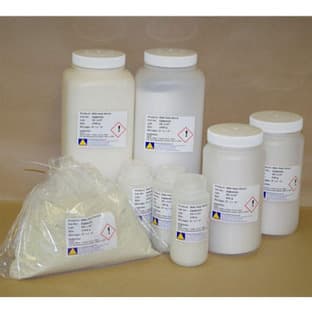
As an incentive to qualify our BSA, we are offering a 20% discount when you purchase your first 100g, 500g or 1000g of any grade of Bovine Serum Albumin....
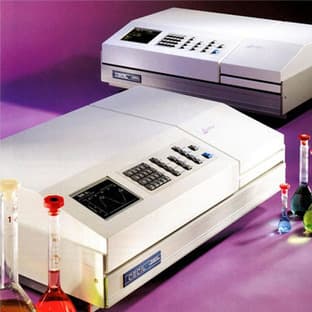
It is not every day that you are given something for nothing. We are giving away additional spectrophotometer software.Cecil Instruments have enhanced the...

We're so sure that you'll prefer Cayman Assay kits over your present brand that we're willing to give you a free assay kit to prove it!

10% Discount on 2 Rabbit Polyclonal Antibody Service. With over 20 years experience, SDIX has developed into the premier US custom antibody producer,...

For the past decade scientists have extensively used ATS secondary toxin conjugates to make their own targeted toxins for in vitro use.The ability to combine...
Did your supplier increase the price of Fetal Bovine Serum? Did they substitute the US Origin with USDA? Well say no more! Innovative Research is still...
Bulk Cytokines with Custom Vialing.20 - 50% off cytokines, growth factors, chemokines and more...For a limited time Cell Sciences is offering substantial...
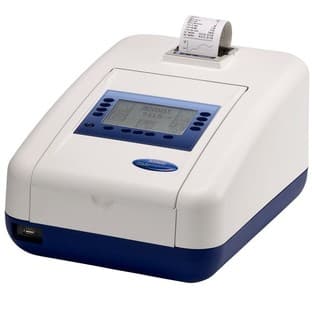
Jenway’s 73 series spectrophotometer range provides four models with a narrow spectral bandwidth of 5nm and an absorbance range of –0.3 to 2.5A,...

Are you planning to have a customised antibody made for your research?Since 2000, Everest has been producing a catalog containing thousands of affinity...